Dental issues in pets can lead to more than just bad breath; if left untreated, bacteria from the mouth can enter the bloodstream, potentially affecting the heart, liver, and kidneys. By establishing a proactive home routine, you can protect your pet’s whole-body wellbeing and reduce the need for intensive oral surgeries.
Building a Foundation for Lifelong Oral Health
Preventative care is the cornerstone of a happy, healthy life for your pets. While professional cleanings at Veterinary Medical Center of Hardeeville are essential for removing tartar below the gumline, consistent at-home maintenance plays a vital role in preventing periodontal disease.
At-Home Dental Tips for Dogs & Cats
Establish a Daily Brushing Routine
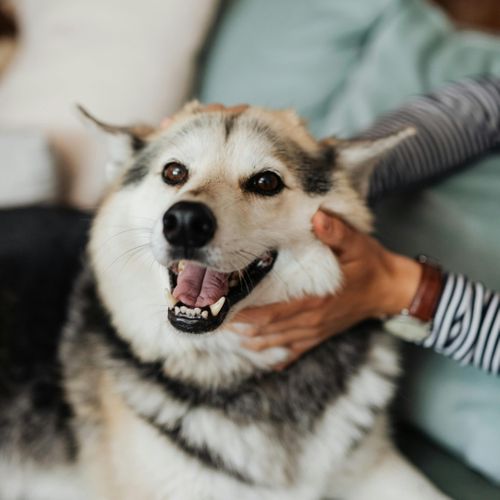
The most effective way to remove plaque before it hardens into tartar is daily brushing. It is crucial to use a toothbrush and toothpaste specifically designed for pets; human toothpaste contains xylitol and foaming agents that are toxic or irritating to animals. Start slowly by letting your dog or cat lick the flavored paste off your finger, then gradually introduce the brush in a gentle, circular motion. Even brushing two to three times a week can significantly improve oral hygiene and help your pet become accustomed to having their mouth handled.

Utilize Veterinary-Approved Dental Chews
For days when brushing is a challenge, dental chews and treats offer a supplemental way to mechanical scrape away plaque. However, not all treats are created equal. Look for products that carry the Veterinary Oral Health Council (VOHC) seal of acceptance. These products are rigorously tested to ensure they effectively reduce plaque and tartar buildup. High-quality chews encourage prolonged gnawing, which stimulates saliva production and helps neutralize oral acids.

Incorporate Water Additives and Oral Rinses
If your pet is resistant to physical brushing, water additives provide a "hands-off" approach to dental health. These tasteless, odorless solutions are added to your pet's daily water bowl to help break down biofilm and freshen breath. Similarly, antiseptic oral rinses can be applied to the gumline to reduce the bacterial load in the mouth. These are particularly useful for senior pets or those already showing early signs of gingivitis.

Monitor for Warning Signs Regularly
At-home care also involves being a vigilant observer. Perform a "flip-the-lip" check once a week to look for red, swollen gums, yellow-brown tartar, or broken teeth. If you notice persistent bad breath, excessive drooling, or a sudden reluctance to eat hard kibble, it may indicate underlying pain or infection. Early detection of these symptoms allows us to intervene before a minor issue becomes a major medical emergency.
Partner With Us for Comprehensive Care
Maintaining your pet’s oral health is a partnership between your daily efforts at home and our professional expertise in the clinic. If you have questions about which products are right for your pet or if you notice any changes in their oral health, our team is here to help.