

Understanding why your cat hides and what you can do to help can strengthen your bond and ensure your feline friend feels safe and secure. At Veterinary Medical Center of Hardeeville, we believe in comprehensive and compassionate veterinary care, and that includes understanding your pet's behavior. Let's explore the reasons behind this common behavior and how you can provide a more comfortable environment for your cat.
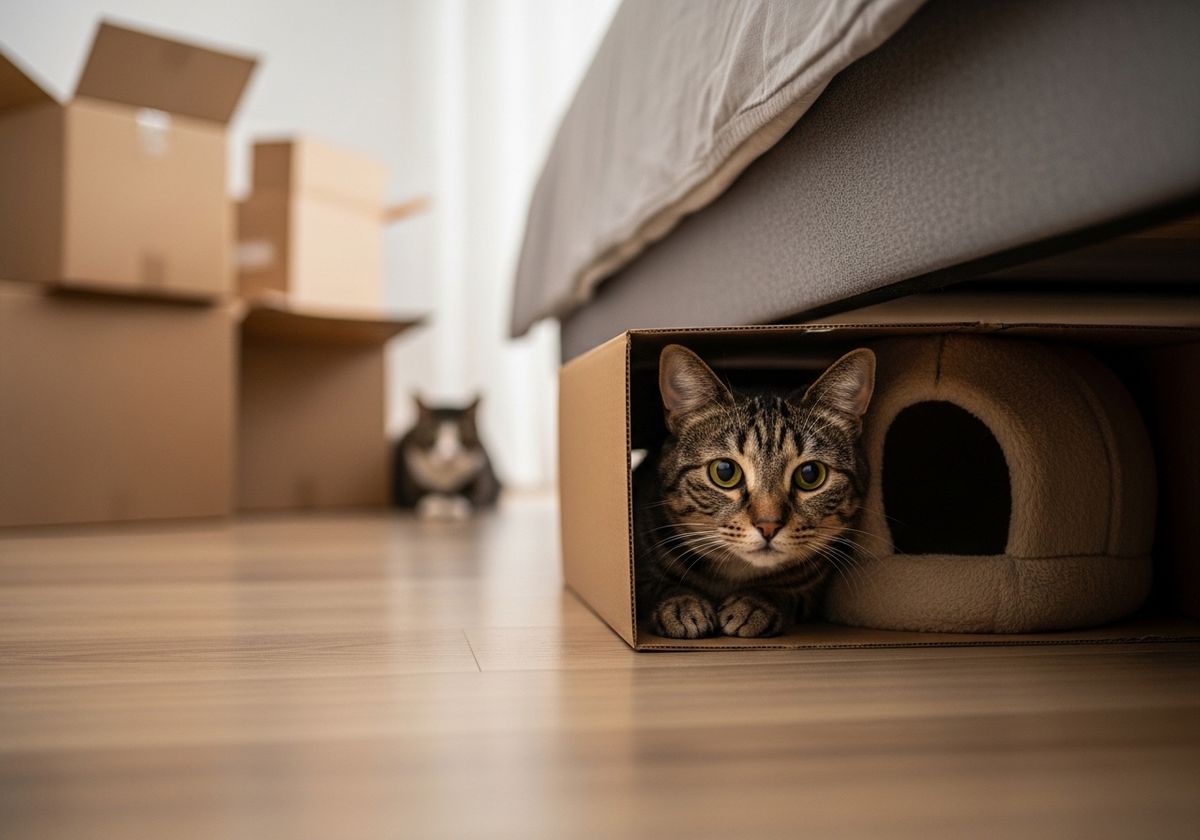
Common Reasons for Hiding
Cats may hide for a variety of reasons, stemming from instinct, environment, or health concerns. Identifying the cause is crucial for addressing the behavior effectively:
Fear or Stress: New environments, loud noises, strangers, or other pets can trigger a cat's instinct to hide as a defense mechanism.
Illness or Pain: Cats often hide when they're not feeling well, as it's a natural response to conserve energy and avoid attention when they're vulnerable.
New Environment: Moving to a new home or even rearranging furniture can cause temporary hiding behavior as your cat adjusts to the changes.
Lack of Safe Spaces: Without designated quiet areas, cats may feel exposed and seek refuge in secluded spots.

How to Help Your Hiding Cat
Once you've identified potential triggers, you can take steps to help your cat feel more secure and reduce hiding behavior:
Provide Safe Havens: Create multiple comfortable hiding spots throughout your home, such as cat trees, covered beds, or cardboard boxes. Make sure these spaces are easily accessible and located in quiet areas.
Reduce Stressors: Minimize loud noises, sudden movements, and other potential stressors. Use calming aids like pheromone diffusers to create a more relaxed environment.
Gradual Introductions: When introducing new people or pets, do so gradually and under supervision. Allow your cat to approach at their own pace, and provide positive reinforcement such as treats or praise.
Routine Veterinary Care: Regular check-ups with your small animal veterinarian can help detect and address any underlying health issues that may be contributing to hiding behavior. This is part of preventive veterinary care.
Create a Consistent Routine: Cats thrive on predictability. Maintaining a consistent feeding schedule, playtime, and sleep schedule can help reduce anxiety and promote a sense of security.
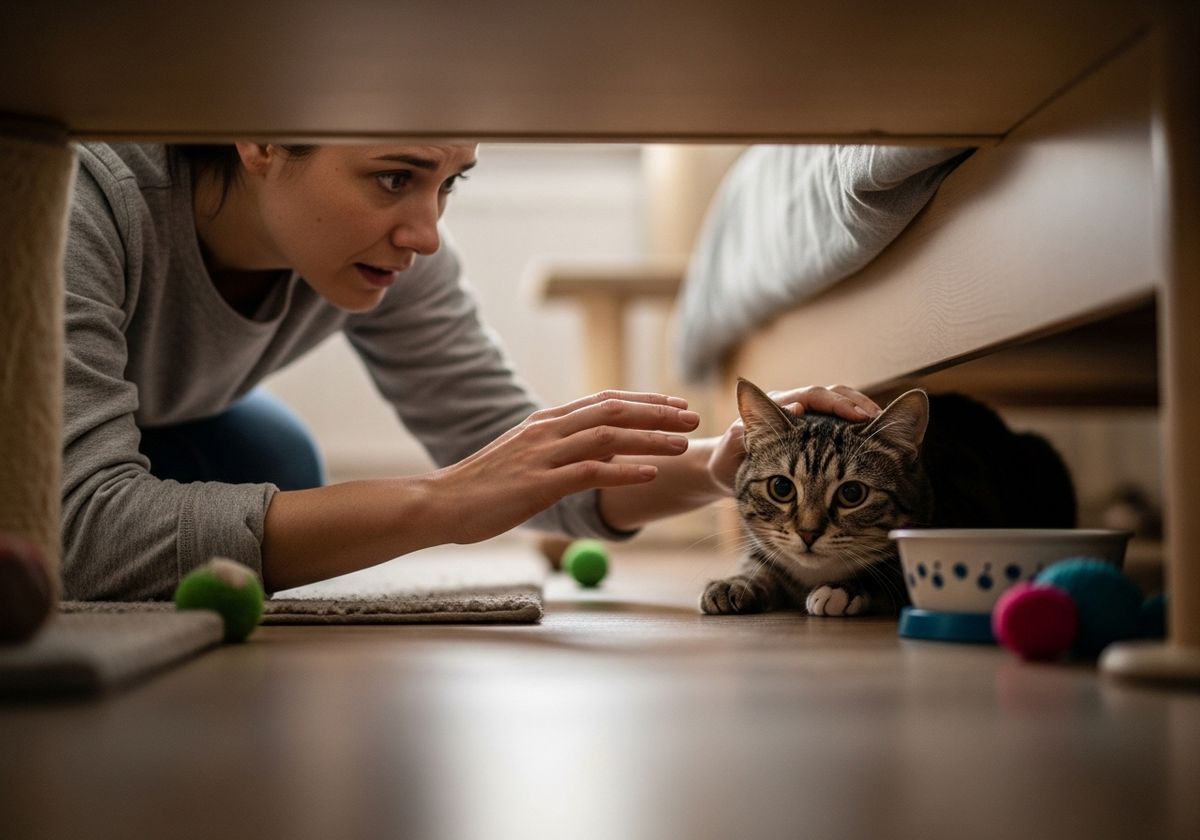
When to Seek Veterinary Advice
While occasional hiding is normal, frequent or prolonged hiding, especially when accompanied by other symptoms such as loss of appetite, lethargy, or changes in litter box habits, could indicate a medical problem. In such cases, it's essential to consult with your veterinarian.
Understanding your cat's behavior is a key component of responsible pet ownership. By providing a safe, comfortable, and stress-free environment, you can help your feline friend feel more secure and reduce hiding behavior. Remember, Veterinary Medical Center of Hardeeville is here to support you with comprehensive veterinary wellness plans and pet dental care, and address any concerns you may have about your pet's well-being. Schedule an appointment today, or contact our Hardeeville vet clinic to learn more about how we can help your cat live a happy, healthy life. Our team is committed to providing comprehensive and compassionate veterinary care!