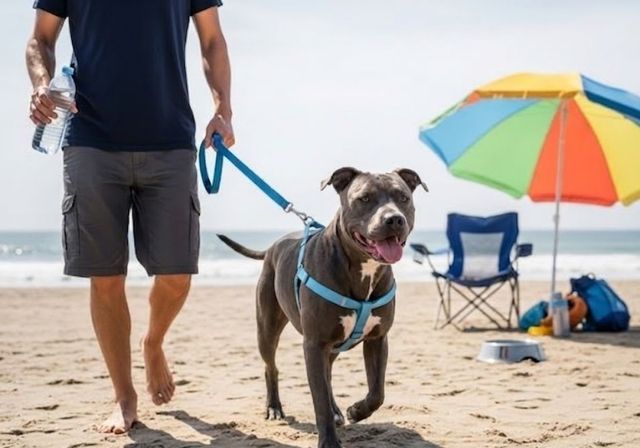
The allure of the coast is undeniable, especially for our canine companions who love to romp in the sand and splash in the water. However, the beach and marsh environments can also present hidden dangers for dogs. As your trusted small animal veterinarian, Veterinary Medical Center of Hardeeville wants to ensure you and your furry friend have a safe and enjoyable experience. Here's what you need to know to protect your dog during coastal adventures.
Potential Coastal Hazards for Dogs
Saltwater Ingestion: Drinking too much saltwater can lead to dehydration, vomiting, and diarrhea. In severe cases, it can cause sodium ion poisoning, which is a serious and potentially fatal condition.
Heatstroke: Dogs can overheat quickly in the sun, especially those with thick fur. Be mindful of the temperature and provide plenty of shade and fresh water.
Sharp Objects: Shells, broken glass, and other debris can injure your dog's paws. Be cautious of the environment and consider using dog booties for protection.
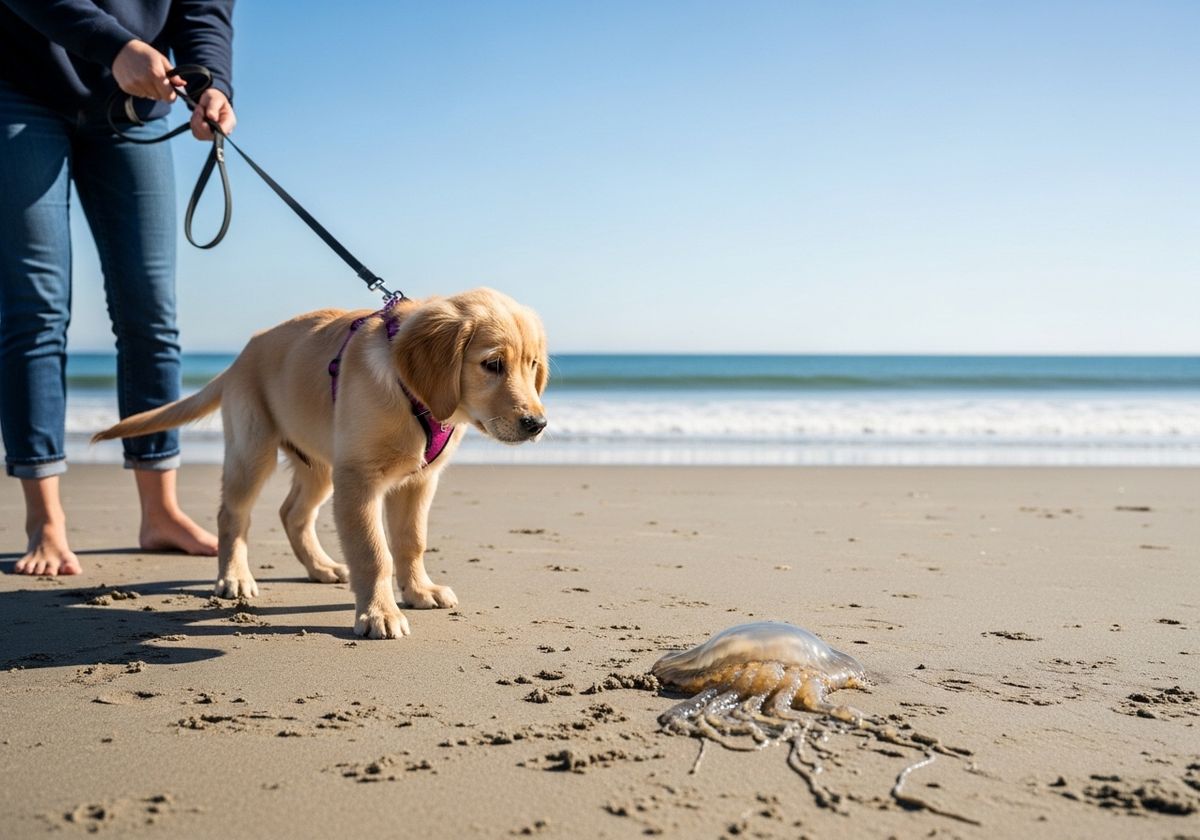
Marine Life: Jellyfish, crabs, and other marine creatures can sting or bite, causing pain and allergic reactions. Keep a close eye on your dog and discourage them from disturbing marine life.
Rip Currents: These strong currents can pull even the strongest swimmers out to sea. Keep your dog on a leash near the water's edge and never allow them to swim unsupervised.
Harmful Algal Blooms (Red Tide): These blooms can produce toxins that are harmful to dogs if ingested or inhaled. Check local advisories before heading to the beach.
Wildlife encounters: Depending on the area, dogs may encounter alligators, snakes, or other dangerous wildlife. Keep your dog on a leash and be aware of your surroundings.
Tips for Keeping Your Dog Safe
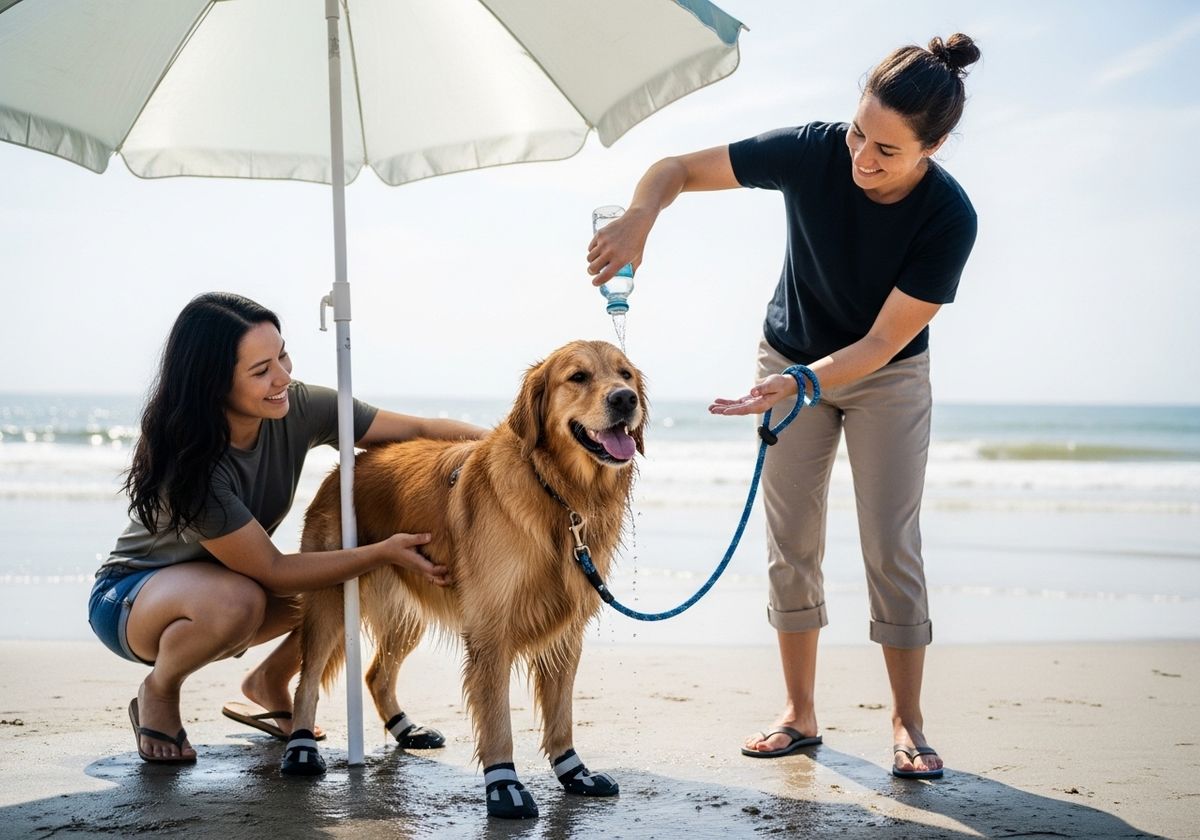
Bring Fresh Water: Always carry plenty of fresh water for your dog and offer it frequently to prevent dehydration.
Provide Shade: Set up a beach umbrella or find a shady spot for your dog to rest.
Rinse After Swimming: Rinse your dog with fresh water after they've been in the ocean to remove salt and sand.
Supervise Closely: Keep a close eye on your dog at all times and don't let them wander off unsupervised.
Know the Signs of Trouble: Be aware of the signs of heatstroke, saltwater poisoning, and other potential problems.
Consider Dog Booties: If you're concerned about sharp objects, dog booties can protect your dog's paws.
Leash Up: Keeping your dog on a leash not only prevents them from running off but also protects them from potential hazards and wildlife encounters.

The Importance of Preventive Veterinary Care
Regular check-ups and preventive veterinary care are essential for maintaining your dog's health and well-being. This includes vaccinations, parasite prevention, and pet dental care. A healthy dog is better equipped to handle the challenges of coastal environments.
Planning a trip to the beach or marsh with your dog requires preparation and awareness. By understanding the potential hazards and taking the necessary precautions, you can help ensure a safe and enjoyable experience for both you and your furry friend. Remember, your pet's health and safety are our top priorities at Veterinary Medical Center of Hardeeville. We're committed to providing comprehensive and compassionate veterinary care. If you have any concerns about your dog's health or need to schedule a check-up, please don't hesitate to contact our Hardeeville vet clinic. Consider asking us about veterinary wellness plans to ensure your pet gets the best preventive veterinary care possible!