
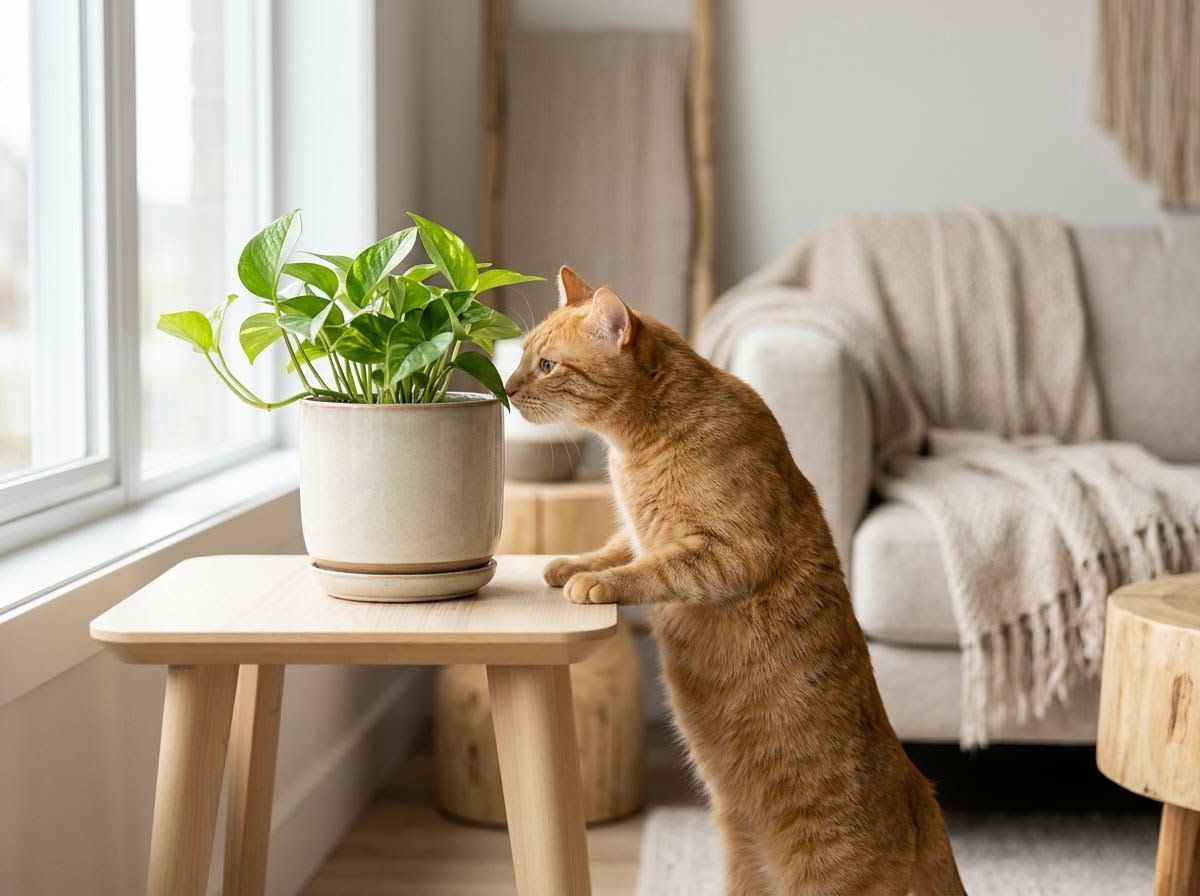
As loving pet owners, we strive to create a safe and nurturing environment for our feline companions. However, many common household and garden plants, while beautiful to us, can pose significant health risks to curious cats. Understanding which plants are toxic and recognizing the signs of ingestion is crucial for protecting your beloved pet. At Veterinary Medical Center of Hardeeville, we believe that informed pet parents are the best advocates for their animal's well-being.
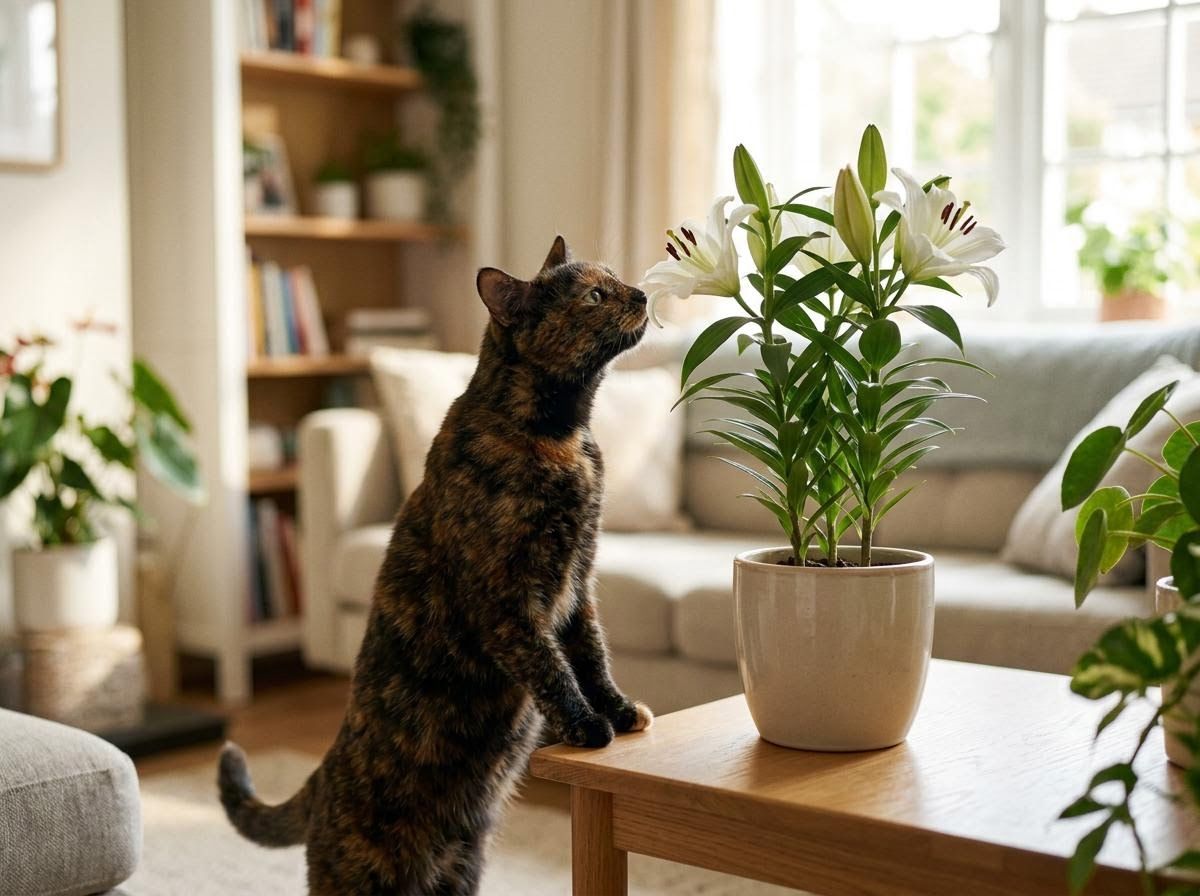
Common Botanical Dangers Lurking in Your Home
Many popular plants, often chosen for their aesthetic appeal, can be highly toxic to cats. Lilies, in particular, are extremely dangerous; even a small amount of pollen or a few licks of water from a vase can lead to severe kidney failure. Other common culprits include Sago Palms, which contain a toxin that can cause liver failure, and Azaleas or Rhododendrons, which can lead to cardiovascular issues. Even seemingly innocuous plants like Pothos and Philodendron, while generally causing milder symptoms like oral irritation, can still be a concern if ingested in larger quantities. Always research a plant's toxicity before bringing it into a home shared with pets.
Recognizing the Signs of Plant Poisoning in Cats
Since cats are naturally curious and often hide their discomfort, it's vital to be vigilant for any changes in their behavior or physical state if you suspect they've encountered a toxic plant. Symptoms can vary greatly depending on the plant and the amount ingested, but commonly include vomiting, diarrhea, lethargy, excessive drooling, loss of appetite, or difficulty breathing. In more severe cases, you might observe tremors, seizures, or even collapse. If you notice any of these signs, especially if you have potentially toxic plants nearby, immediate veterinary attention is paramount.
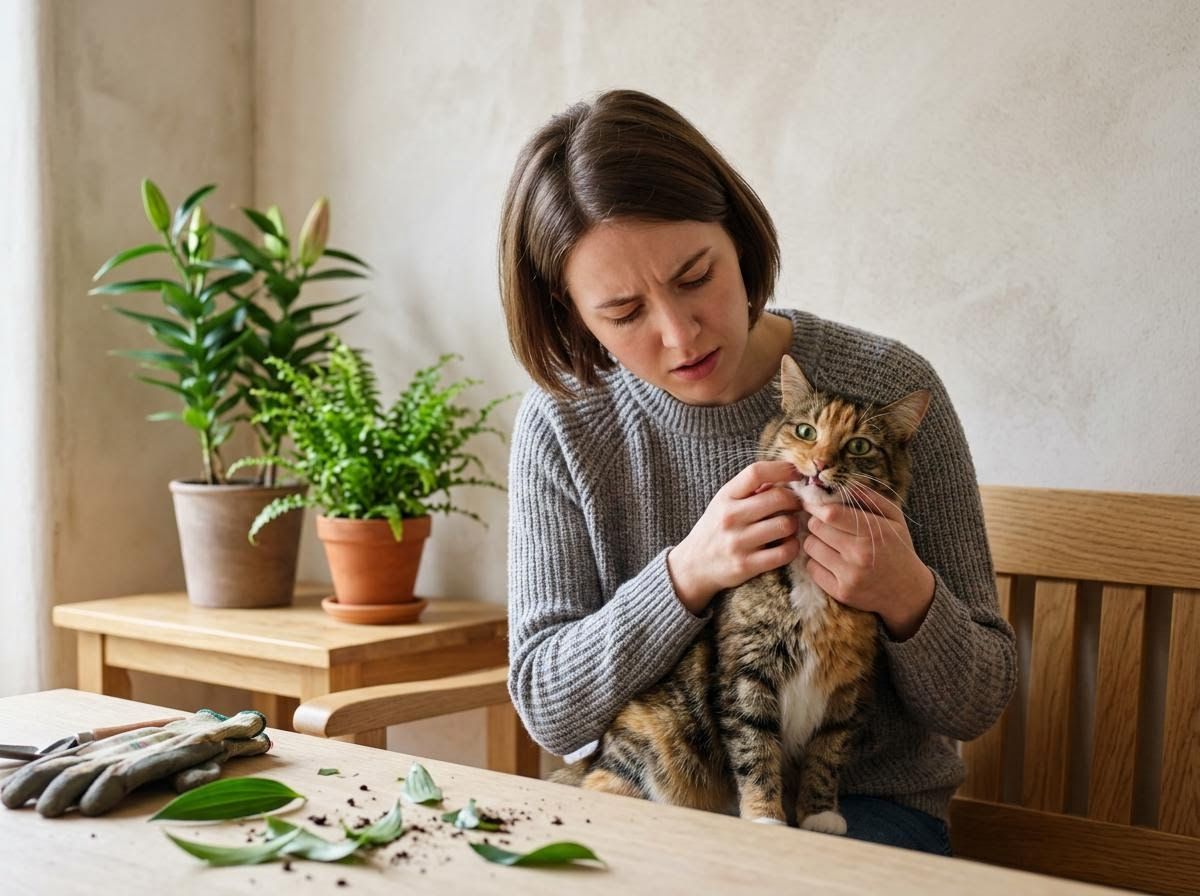
Immediate Action and Prevention Strategies
If you suspect your cat has ingested a toxic plant, the first step is to remove any remaining plant material from their mouth or fur and then contact your veterinarian or an animal poison control center immediately. Do not try to induce vomiting unless specifically instructed to do so by a professional, as it can sometimes cause further harm. Prevention is always the best approach. Before introducing any new plant to your home or garden, research its toxicity to pets. Opt for known cat-safe plants like catnip, spider plants, or certain types of ferns. For toxic plants you already own, place them in areas completely inaccessible to your cat, or consider rehoming them to ensure your pet's safety.
Creating a safe home environment for your cat means being aware of potential hazards, including common houseplants. Vigilance and quick action can make all the difference in preventing serious health issues. If you have concerns about plants in your home or suspect your cat has ingested something harmful, please don't hesitate to reach out. For guidance on pet-safe plants or emergency care, discover more about maintaining your pet's health by consulting with our compassionate team at Veterinary Medical Center of Hardeeville.