
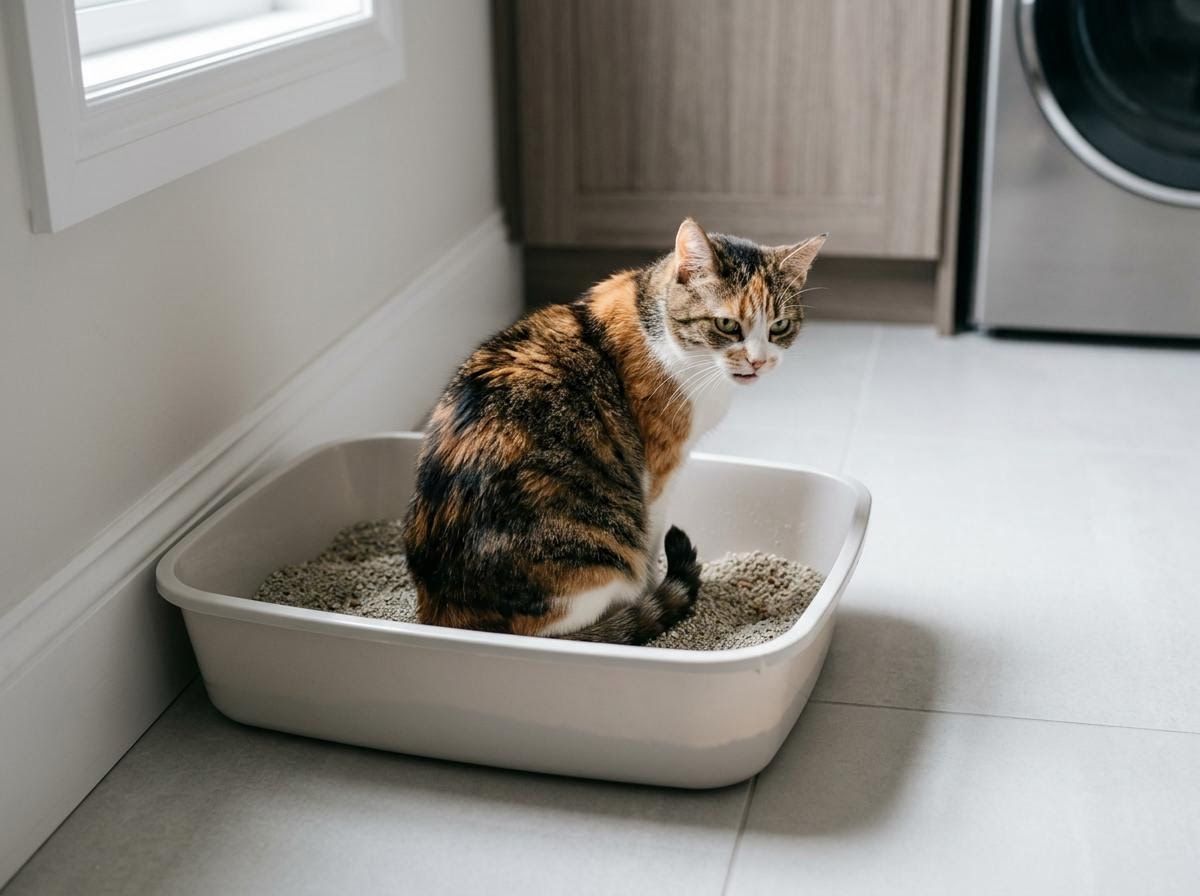
Many cat owners know that a sudden change in litter box habits can be unsettling, often signaling something more than just a behavioral quirk. Understanding these shifts is crucial for your feline friend's health, as they can be early indicators of underlying urinary issues. At Veterinary Medical Center of Hardeeville, we believe that recognizing these signs promptly is the first step toward effective treatment and maintaining your cat's comfort and well-being.
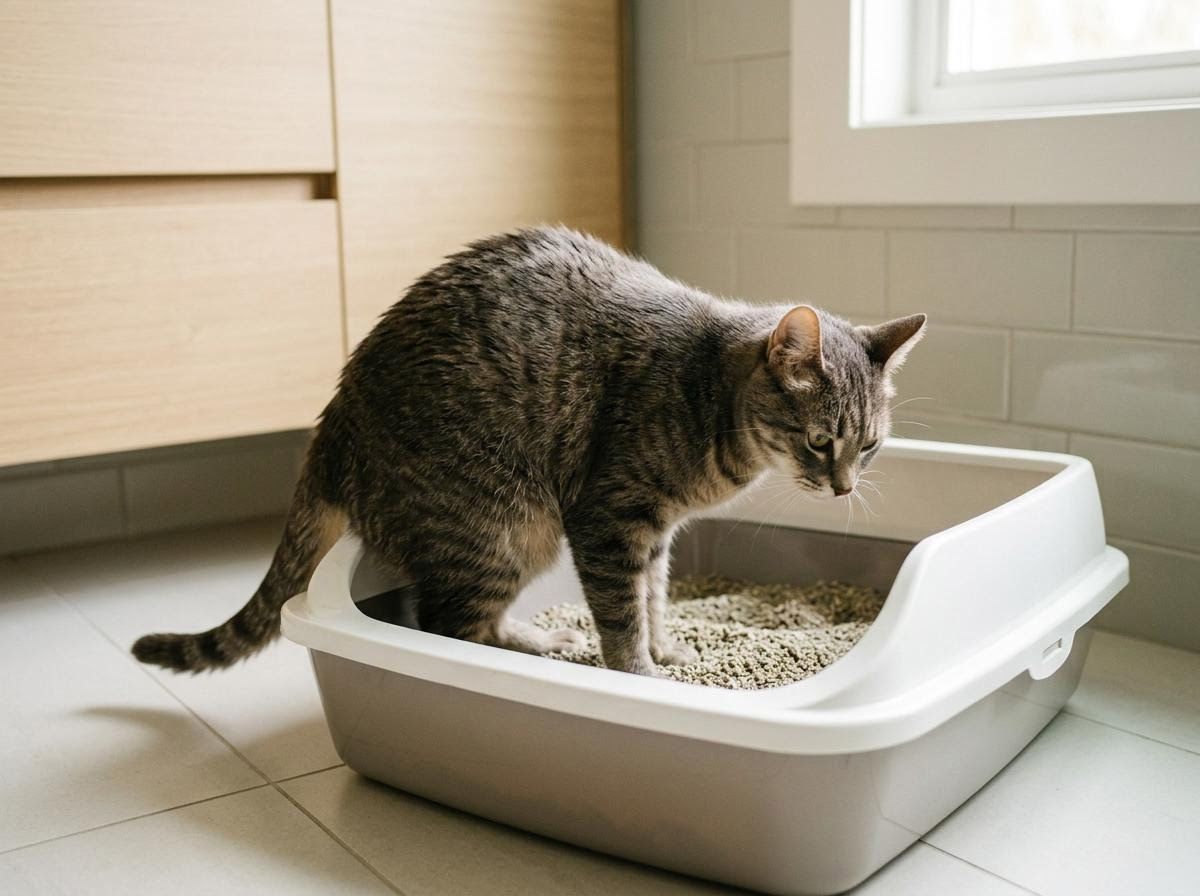
The Subtle Clues Your Cat is Leaving
Your cat's litter box is often the first place to reveal a problem. If you notice your cat straining to urinate, making frequent trips to the box with little to no urine produced, or vocalizing while attempting to urinate, these are significant red flags. Urinating outside the box, known as periuria, especially in unusual places like cool tile floors or sinks, can also be a desperate attempt by your cat to find comfort while experiencing discomfort. Even small changes, such as spending an unusual amount of time in the litter box or a change in the volume of urine, warrant attention from a small animal vet.

Beyond the Box: Other Behavioral and Physical Indicators
While litter box changes are primary, your cat might display other signs that point to urinary distress. Increased licking of the genital area, a general reluctance to move or jump, hiding more than usual, or showing aggression when touched can all be associated with pain or discomfort from urinary issues. You might also observe a decrease in appetite, lethargy, or even blood in the urine, though this can sometimes be subtle and easily missed. Paying attention to your cat's overall demeanor and routine can provide valuable clues alongside the litter box signals.
Understanding Common Feline Urinary Conditions
Several conditions can lead to the urinary symptoms described. One common culprit is a urinary tract infection (UTI), caused by bacteria. Another frequent diagnosis is Feline Idiopathic Cystitis (FIC), a stress-related inflammatory condition of the bladder with no identifiable cause. Bladder stones or crystals, which can irritate the bladder lining or even cause an obstruction, are also serious concerns. In male cats, a urinary blockage is a life-threatening emergency requiring immediate veterinary attention. A skilled small animal vet can differentiate between these conditions through thorough examination and diagnostics.

The Power of Proactive and Preventive Veterinary Care
Addressing litter box changes promptly can prevent a minor issue from escalating into a serious, painful, or even life-threatening situation. Delaying treatment can lead to worsening pain, chronic conditions, and more complex recovery for your pet. This is where preventive veterinary care truly shines. Regular check-ups, especially as your cat ages, allow a modern vet clinic to establish a baseline for your cat's health and catch potential problems early. Many clinics also offer a pet wellness plan to make ongoing care more accessible. Discussing diet, water intake, and stress reduction strategies with your veterinarian can also be key components of managing and preventing feline urinary issues.
Final Thoughts on Feline Urinary Health
Recognizing the early signs of feline urinary issues, particularly those manifesting in the litter box, is critical for your cat's health and happiness. Prompt attention ensures timely diagnosis and treatment, alleviating discomfort and preventing more severe complications. The team at Veterinary Medical Center of Hardeeville is dedicated to providing compassionate and comprehensive care for your feline family members. To learn more about maintaining your cat's urinary health or to schedule a consultation, please explore the helpful resources available on our website.