
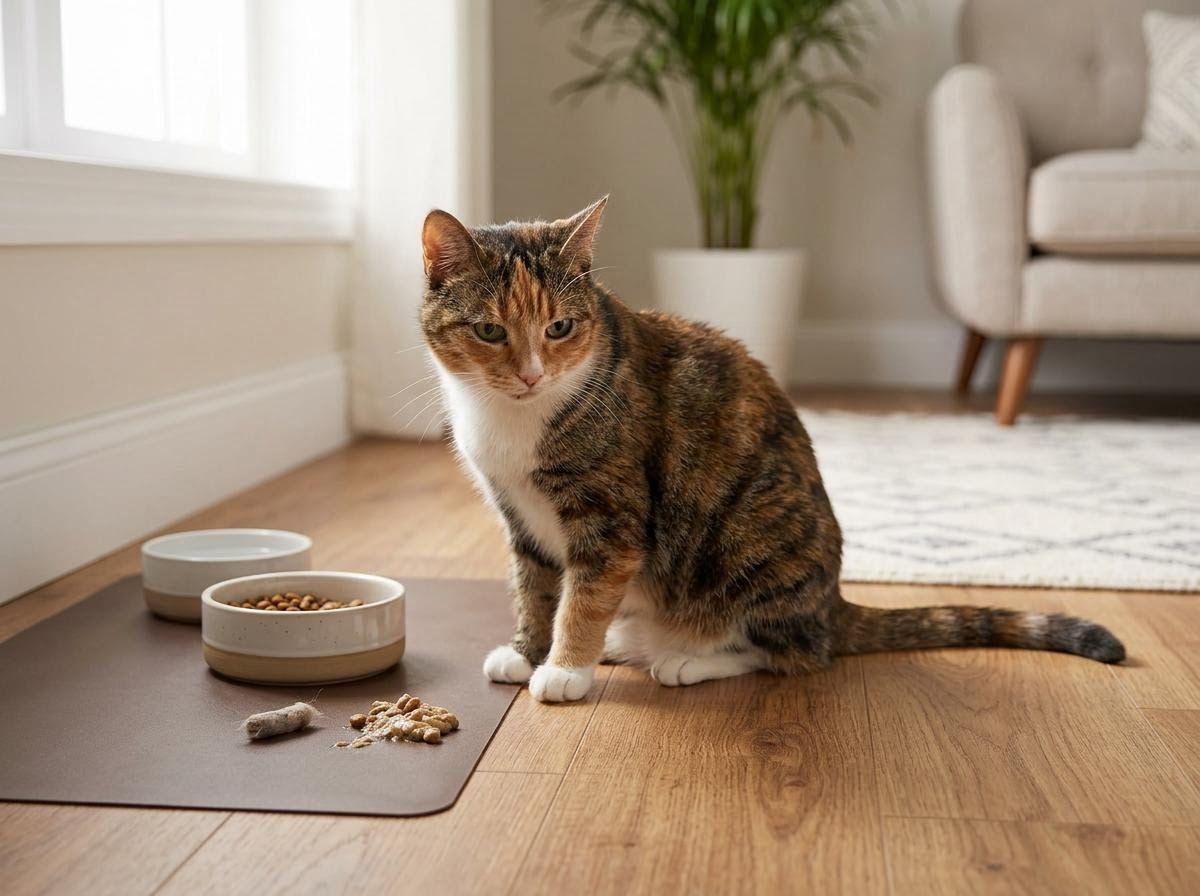
It can be alarming to find your cat has thrown up, especially right after a meal. While occasional regurgitation is not uncommon for felines, understanding the difference between a harmless hairball and a potential health issue is crucial for your pet's well-being. At Veterinary Medical Center of Hardeeville, we know how much your furry friend means to you, and we're here to help you decipher what these episodes might mean.
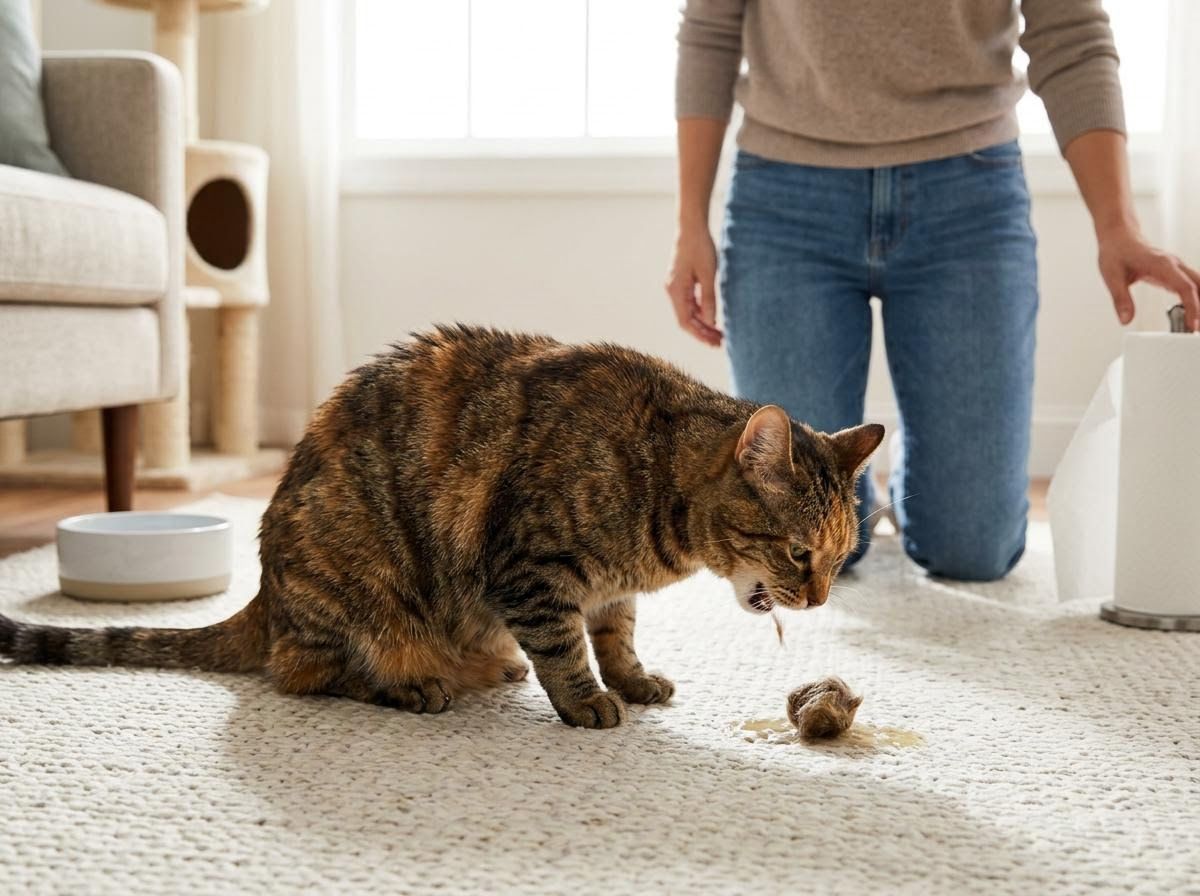
The Usual Suspect: Hairballs
One of the most frequent reasons cats throw up is due to hairballs. Cats are meticulous groomers, and as they lick their fur, they inevitably swallow loose hairs. While most of this hair passes through their digestive system, some can accumulate in the stomach, forming a hairball. When this ball becomes too large or irritating, the cat will vomit it up. A typical hairball looks like a cylindrical mass of fur, often mixed with a bit of fluid, and occurs infrequently. While unpleasant for you, it's generally a normal process for your cat.
Eating Habits and Food Sensitivities
Sometimes, vomiting after eating isn't about illness but about how or what your cat consumes. If your cat eats too quickly, they might swallow air along with their food, leading to regurgitation of undigested food shortly after the meal. This is often seen as a pile of food that looks much like what they just ate. Similarly, sudden changes in diet or a sensitivity to a particular ingredient can upset your cat's stomach, causing them to throw up. Observing their eating pace and any recent dietary adjustments can provide valuable clues.
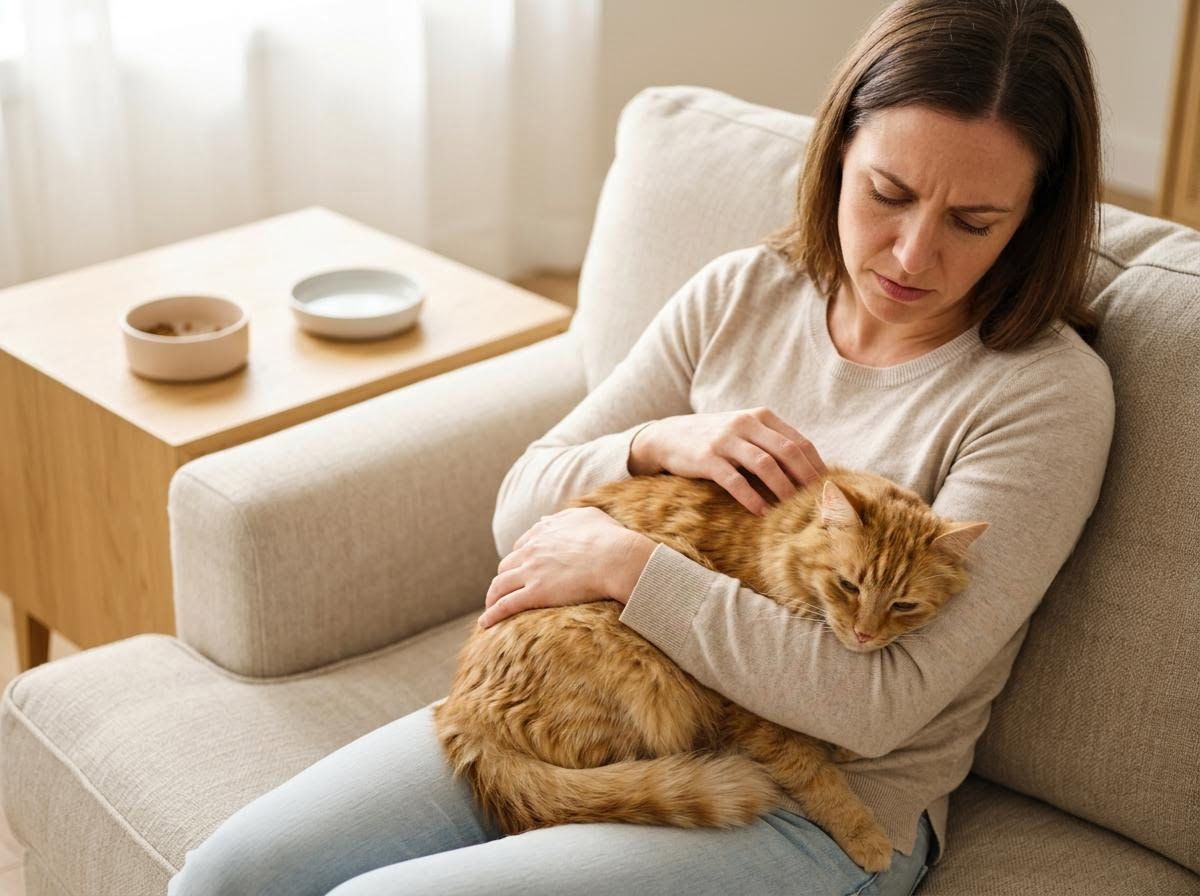
When to Be Concerned: Signs of Underlying Illness
While hairballs and quick eating are often benign, frequent vomiting, or vomiting accompanied by other symptoms, can signal a more serious underlying health problem. Conditions like inflammatory bowel disease (IBD), pancreatitis, parasites, or even foreign objects lodged in the digestive tract can cause a cat to throw up after eating. Watch for additional signs such as lethargy, diarrhea, weight loss, changes in appetite or thirst, abdominal pain, or blood in the vomit. If the vomit contains bile (yellowish liquid), is very frequent, or if your cat seems distressed, it's time to seek professional veterinary attention.
Understanding why your cat might be throwing up after eating helps you distinguish between a common feline occurrence and a signal for concern. While hairballs and rapid eating are often manageable, persistent or unusual vomiting, especially when combined with other symptoms, warrants a closer look. The skilled and compassionate team at Veterinary Medical Center of Hardeeville is dedicated to providing thorough diagnostics and personalized care to ensure your beloved pet remains healthy and happy. If your cat is frequently vomiting or showing other concerning signs, we encourage you to schedule a consultation with our experienced team to discuss your pet's health.