
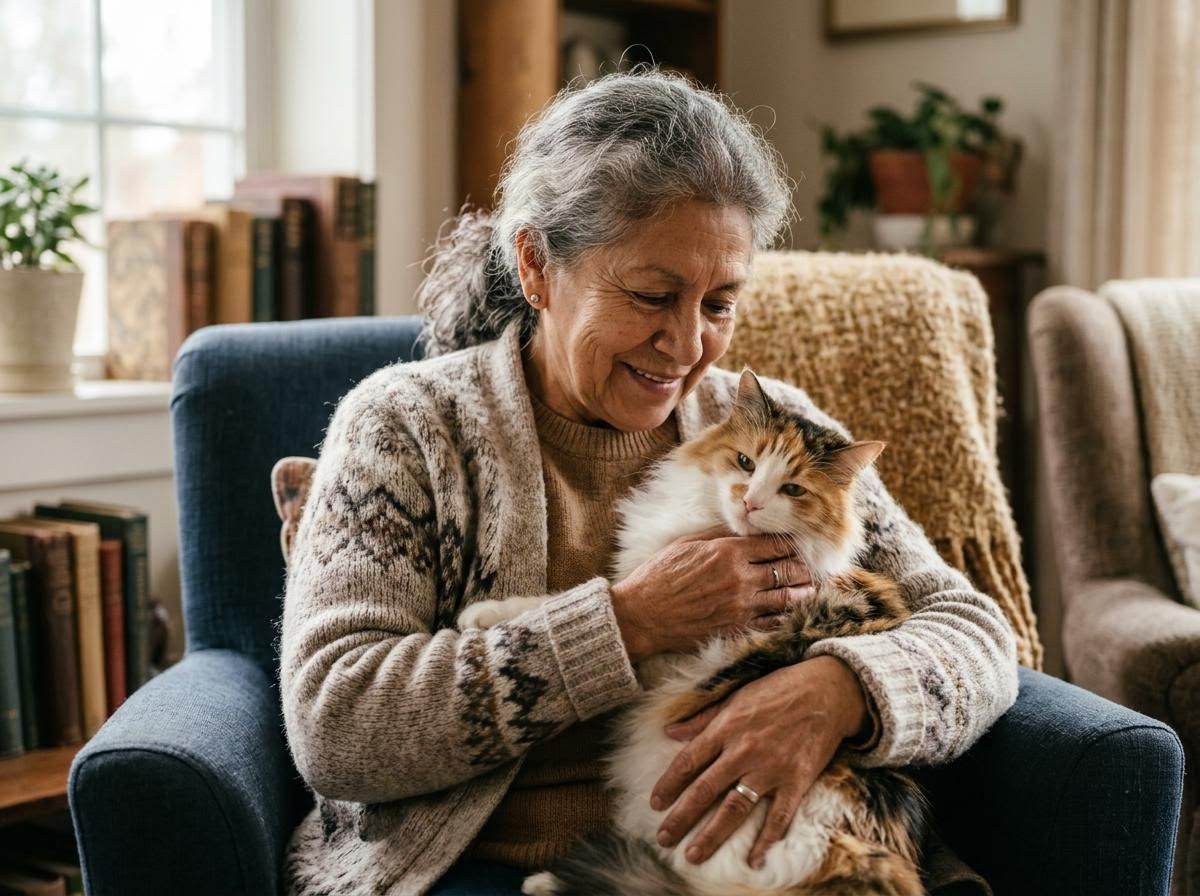
Coastal storms bring unique challenges, and for many pet owners, one of the most distressing is managing sound anxiety in their beloved dogs and cats. The sudden, intense noises of thunder, heavy rain, and high winds can trigger significant fear and stress in our animal companions. At Veterinary Medical Center of Hardeeville, we understand how vital it is to ensure your pet feels safe and secure during these unsettling times. This guide offers practical strategies to help you navigate storm season with compassion and confidence.
Understanding Pet Sound Anxiety
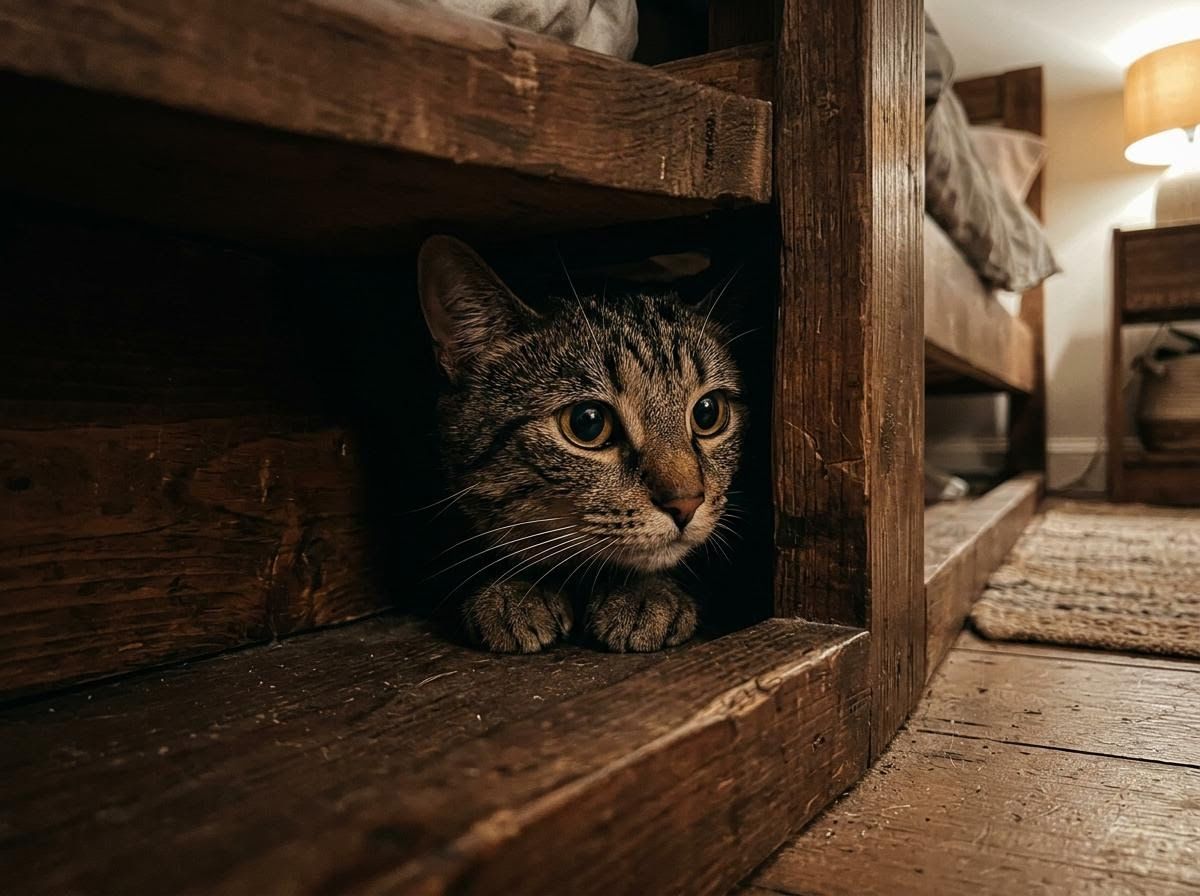
Sound anxiety, often referred to as noise phobia, is a common condition where pets exhibit extreme fear and distress in response to loud noises. During coastal storms, these can include thunder, lightning, heavy rain, and strong winds. Symptoms vary but often involve hiding, trembling, panting excessively, pacing, destructive chewing, inappropriate urination or defecation, and frantic attempts to escape. For some cats, it might manifest as unusually aggressive behavior or extreme withdrawal. Recognizing these signs early is the first step toward effective management and ensuring your pet's well-being.
Creating a Safe and Soothing Haven
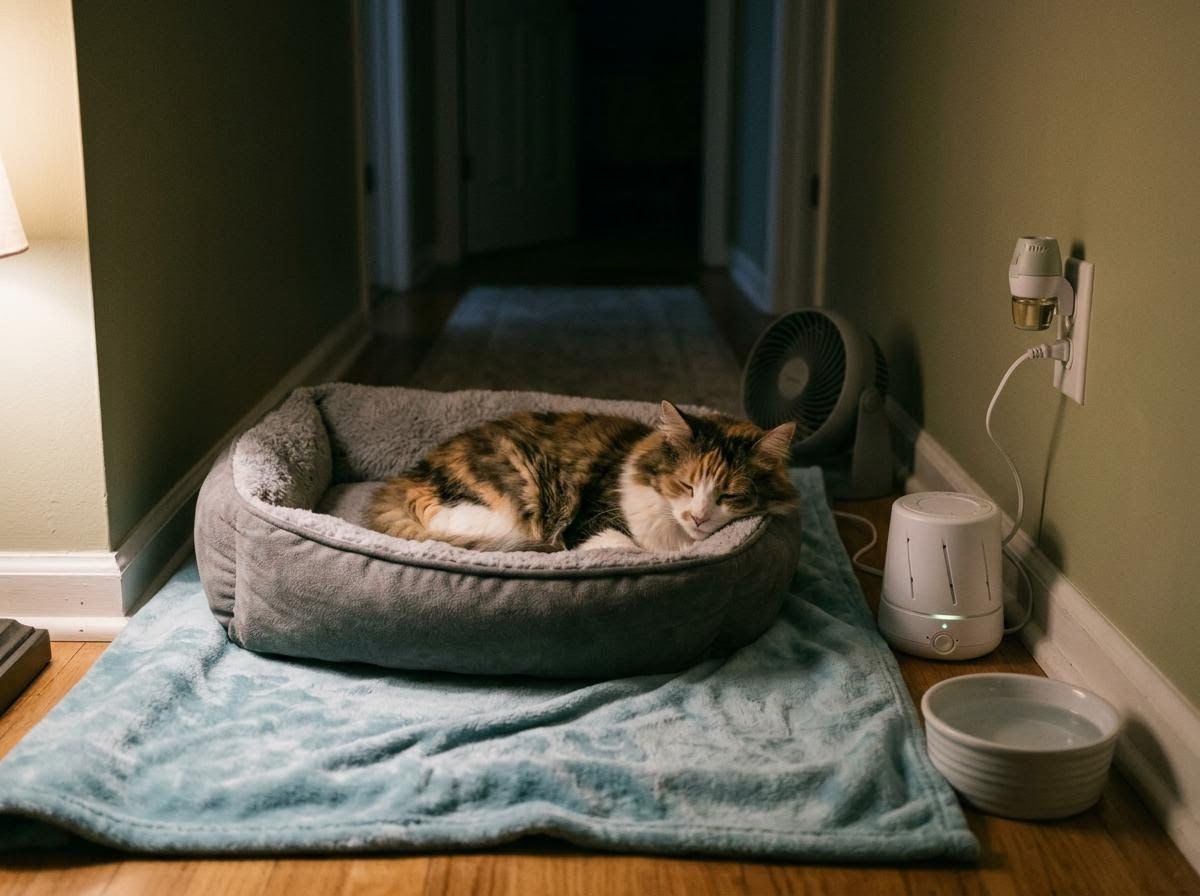
Preparation is key when anticipating a storm. Designate a "safe space" for your pet, ideally an interior room away from windows and exterior doors. This could be a bathroom, a laundry room, or even a walk-in closet. Equip this area with their favorite bed, blankets, toys, fresh water, and a litter box for cats. Consider using a crate if your dog is crate-trained and views it as a secure den. Blocking out external sounds with calming music, a white noise machine, or even a fan can help muffle the storm's intensity. Pheromone diffusers, which release synthetic calming hormones, can also contribute to a more relaxed environment for both dogs and cats.
During the Storm: Calming Strategies
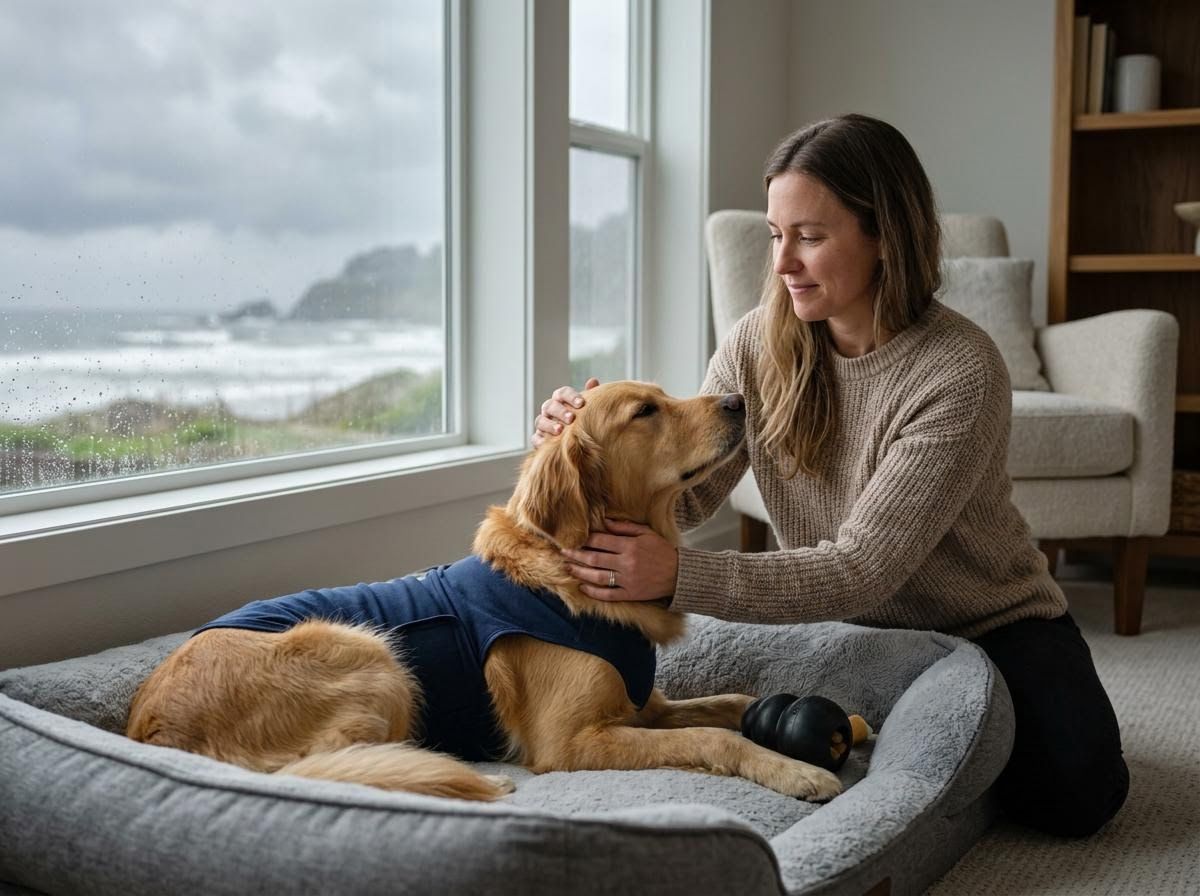
When the storm hits, your calm demeanor can significantly influence your pet. Avoid excessive coddling, as this can inadvertently reinforce their fearful behavior. Instead, offer quiet reassurance and engage them in activities they enjoy, if possible. Distraction techniques, such as a favorite puzzle toy filled with treats or a gentle play session, can divert their attention from the noise. Ensure they have access to their designated safe space. Never leave your pet tied up outside or unattended during a storm. For severe cases, or if your pet's anxiety seems to worsen with each storm, consulting a small animal vet for professional guidance is highly recommended.
Proactive Steps and Professional Support
Beyond immediate storm management, a comprehensive approach to sound anxiety involves proactive measures and, when necessary, professional intervention. Behavioral modification techniques, such as desensitization and counter-conditioning, can help pets gradually become less reactive to storm sounds over time. This process should ideally be guided by a certified professional or a skilled Okatie area vet clinic. Additionally, your modern vet clinic can discuss various options, including prescription medications or supplements, if your pet's anxiety is severe and impacting their quality of life. Integrating these strategies into your pet's overall preventive veterinary care plan ensures their long-term health and emotional well-being.
At Veterinary Medical Center of Hardeeville, we are dedicated to providing compassionate and skilled care for your animal companions, especially when facing stressful events like coastal storms. Understanding and addressing your pet's sound anxiety is an important part of their overall health. For personalized advice and to explore options like a pet wellness plan tailored to your companion's needs, we invite you to contact our team to discuss how we can help your pet feel more secure and comfortable.