
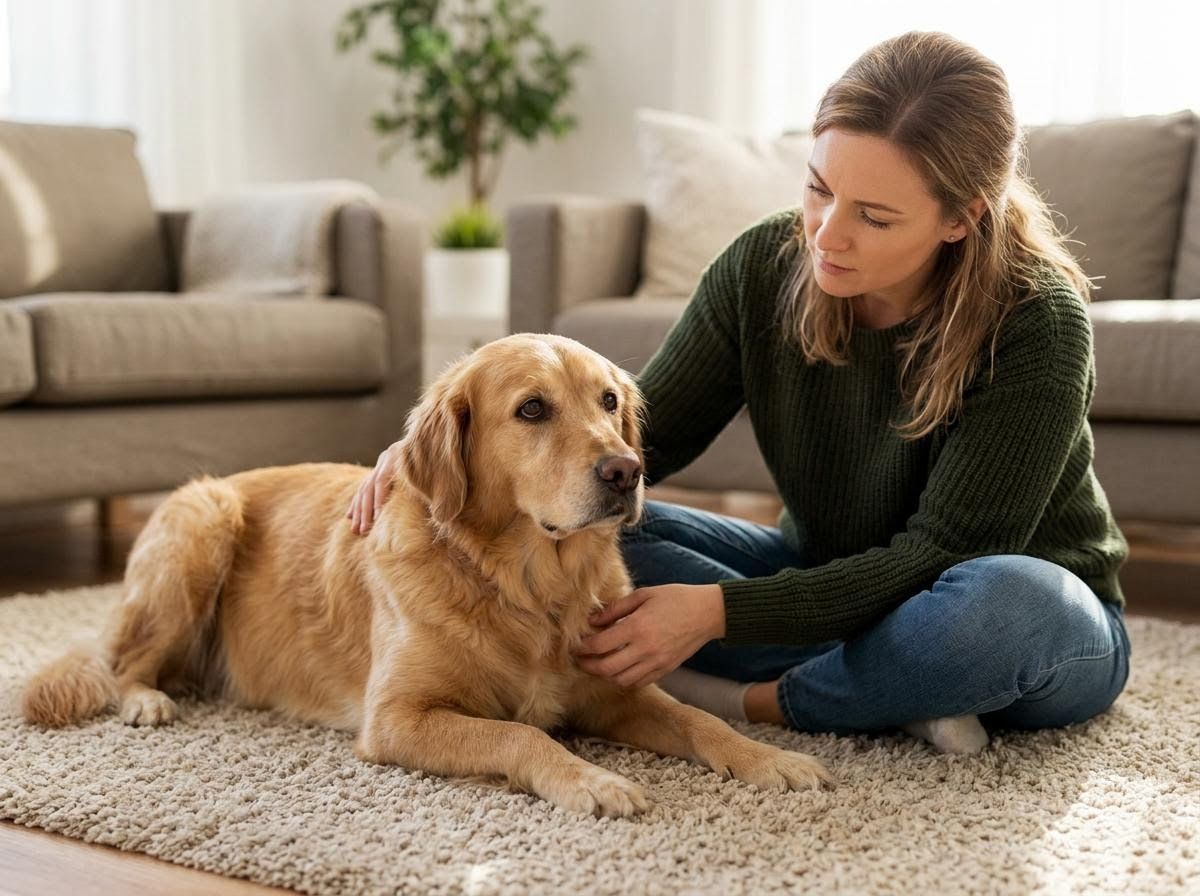
It can be heartbreaking to think our beloved canine companions might be suffering, yet dogs are masters at masking discomfort, often instinctually hiding vulnerabilities. As pet parents, recognizing subtle cues is crucial for their well-being. At Veterinary Medical Center of Hardeeville, we understand your concern and are dedicated to helping you interpret these hidden signals so you can provide timely care. This guide will help you identify the less obvious signs that your dog might be in pain, ensuring they receive the attention they need.
Subtle Shifts in Behavior
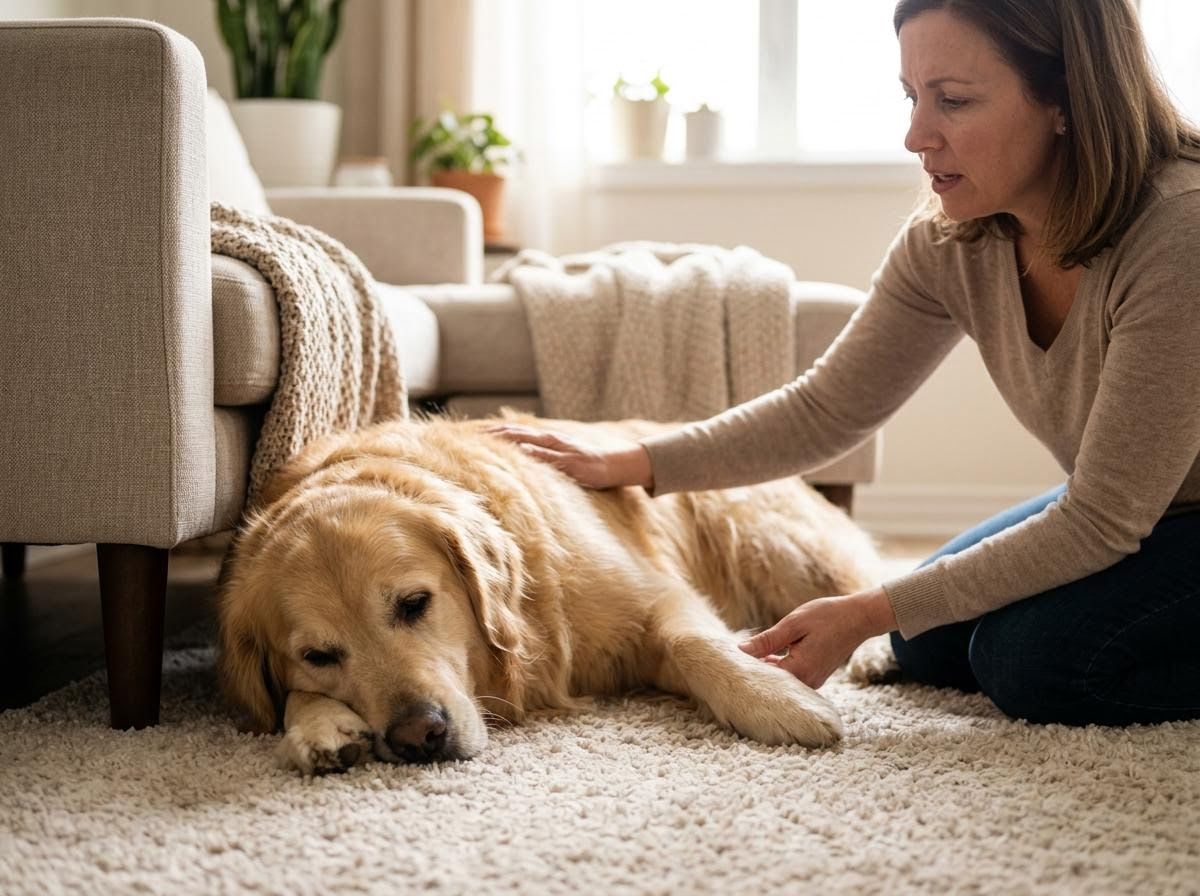
One of the first indicators of pain can be a change in your dog's typical demeanor. Pay close attention if your usually active dog suddenly becomes reluctant to play, goes for walks less enthusiastically, or seems generally lethargic. Withdrawal is another common sign; a dog in pain might isolate themselves, hide more, or become uncharacteristically irritable or anxious when approached. You might also notice changes in their sleep patterns, either sleeping significantly more or struggling to find a comfortable position. Excessive licking or chewing at a specific body part, even without an obvious wound, can also be their way of trying to soothe localized pain.
Altered Posture and Movement
Physical changes in how your dog stands, moves, or carries themselves are often strong indicators of discomfort. Look for stiffness, a noticeable limp, or difficulty getting up from a lying position. A hunched back, a lowered head, or an unusual stance where they shift weight off a particular limb can all point to pain. Reluctance to perform activities they once enjoyed, like jumping onto furniture or climbing stairs, is also a red flag. Furthermore, trembling or shivering, especially when not due to cold or fear, can be a subtle sign of muscle strain or general pain.
Changes in Appetite, Thirst, or Elimination
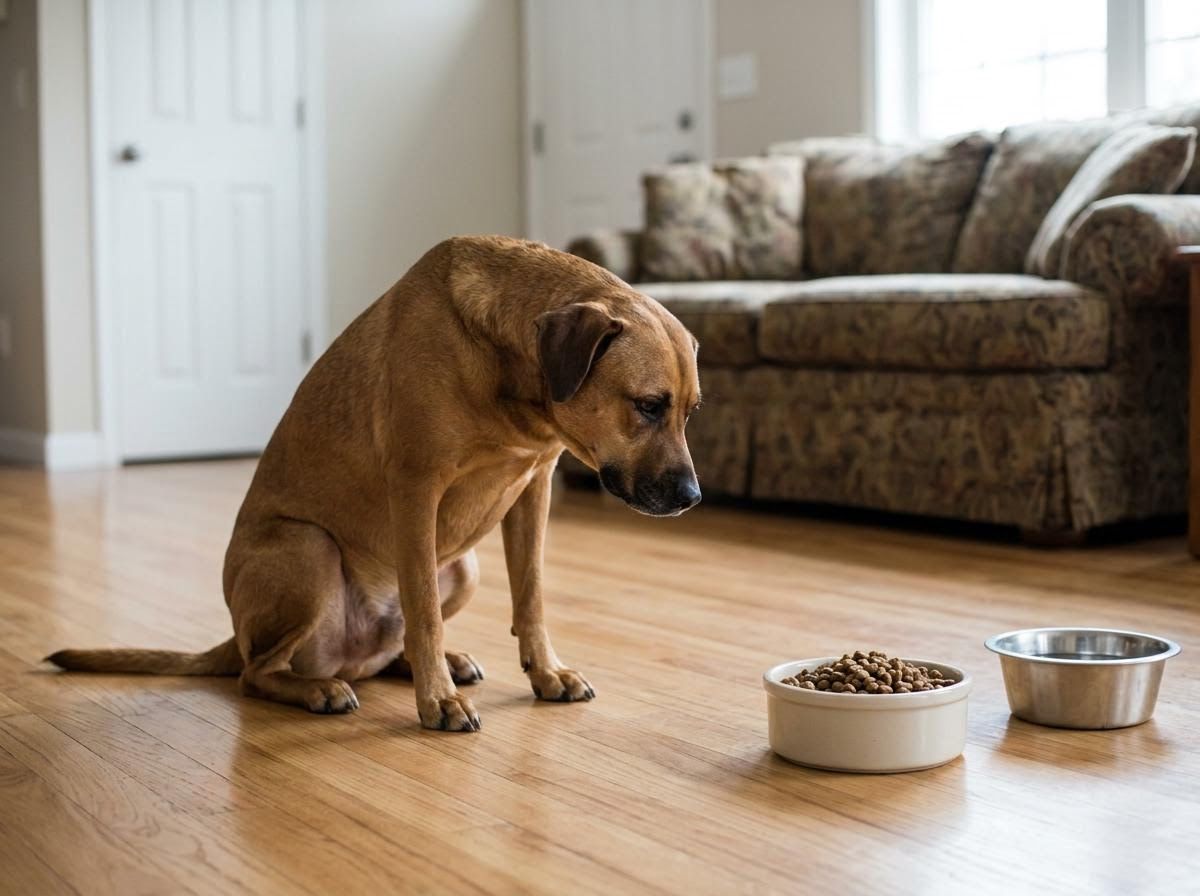
Pain can significantly impact your dog's daily routines, including their basic needs. A sudden loss of appetite or refusal to drink water, even if temporary, should raise concerns. Similarly, changes in their bathroom habits, such as having accidents indoors, straining to urinate or defecate, or an altered frequency, can be linked to internal discomfort or difficulty assuming certain positions. Increased panting or rapid, shallow breathing when they are at rest and not overheated or excited can also indicate that your dog is experiencing pain or stress. Unusual vocalizations like whimpering, groaning, or even a low growl when touched or moving certain ways are direct pleas for help.
Recognizing these subtle, often hidden, signs of pain in your dog is a profound act of care that can significantly improve their quality of life. Early detection is key to effective treatment and managing their comfort. If you observe any of these indicators in your beloved pet, don't hesitate to seek professional advice. Our compassionate and skilled team at Veterinary Medical Center of Hardeeville is here to provide thorough examinations and personalized care plans to ensure your furry family member remains happy and healthy. To learn more about pet health or to schedule a consultation, please explore our resources.