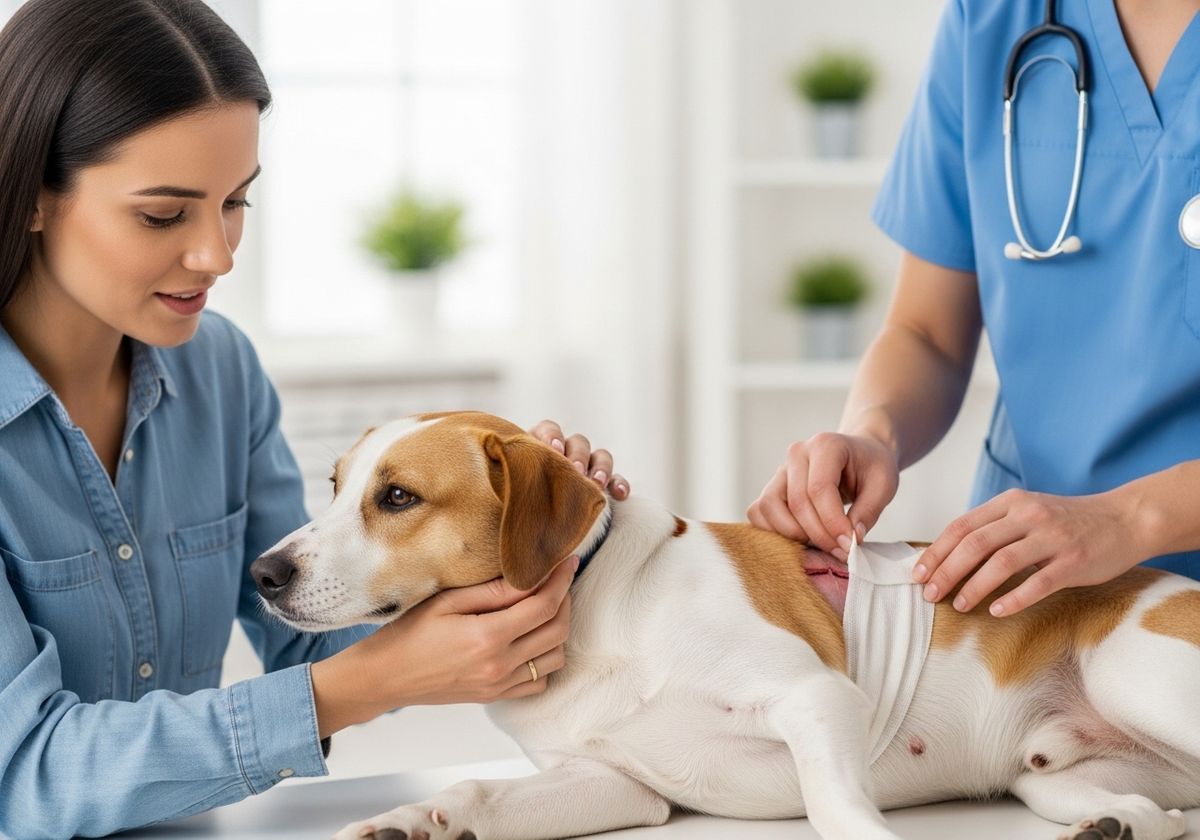
After your beloved companion undergoes surgery, proper aftercare is crucial for a smooth recovery. One of the most important aspects of post-operative care is monitoring the incision site. Knowing what's normal and what's not can help you identify potential complications early on and ensure your pet heals properly. We're dedicated to helping you provide the best care possible. Here's what to look for:
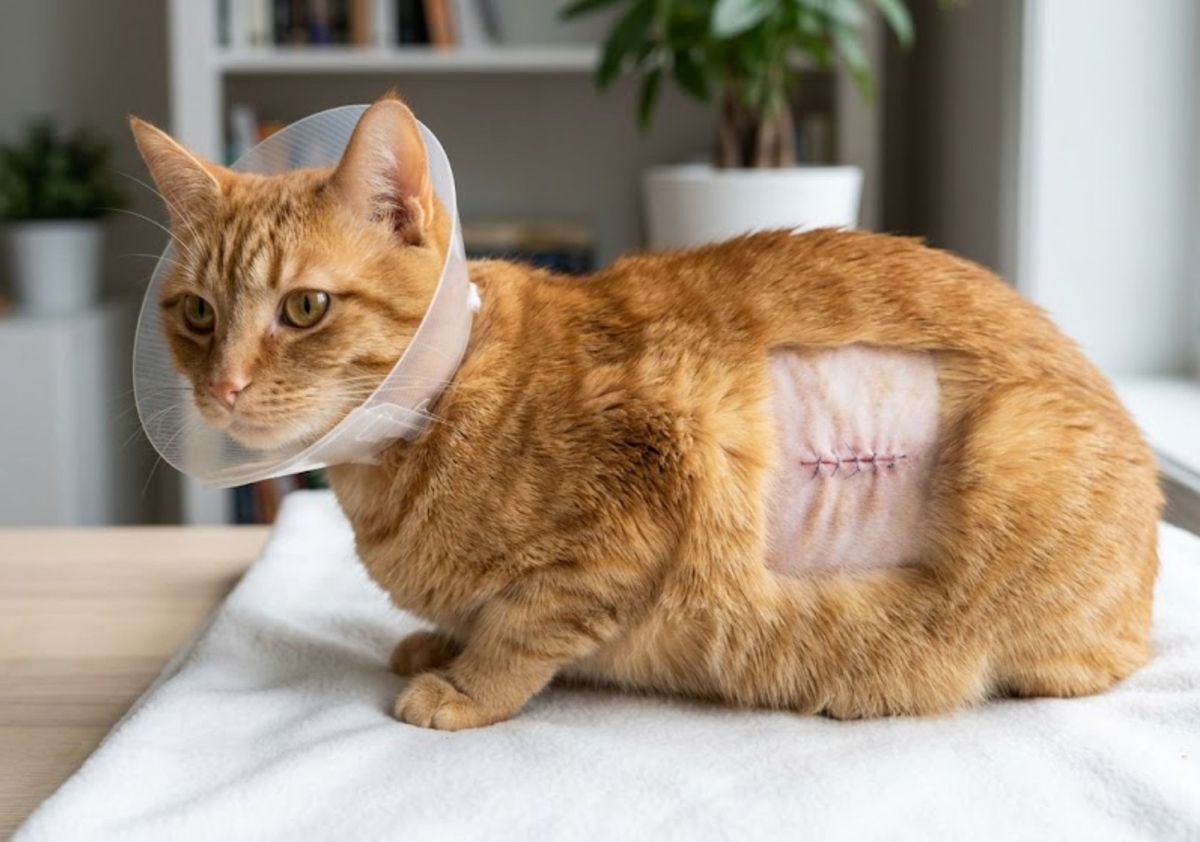
What a Normal Incision Looks Like
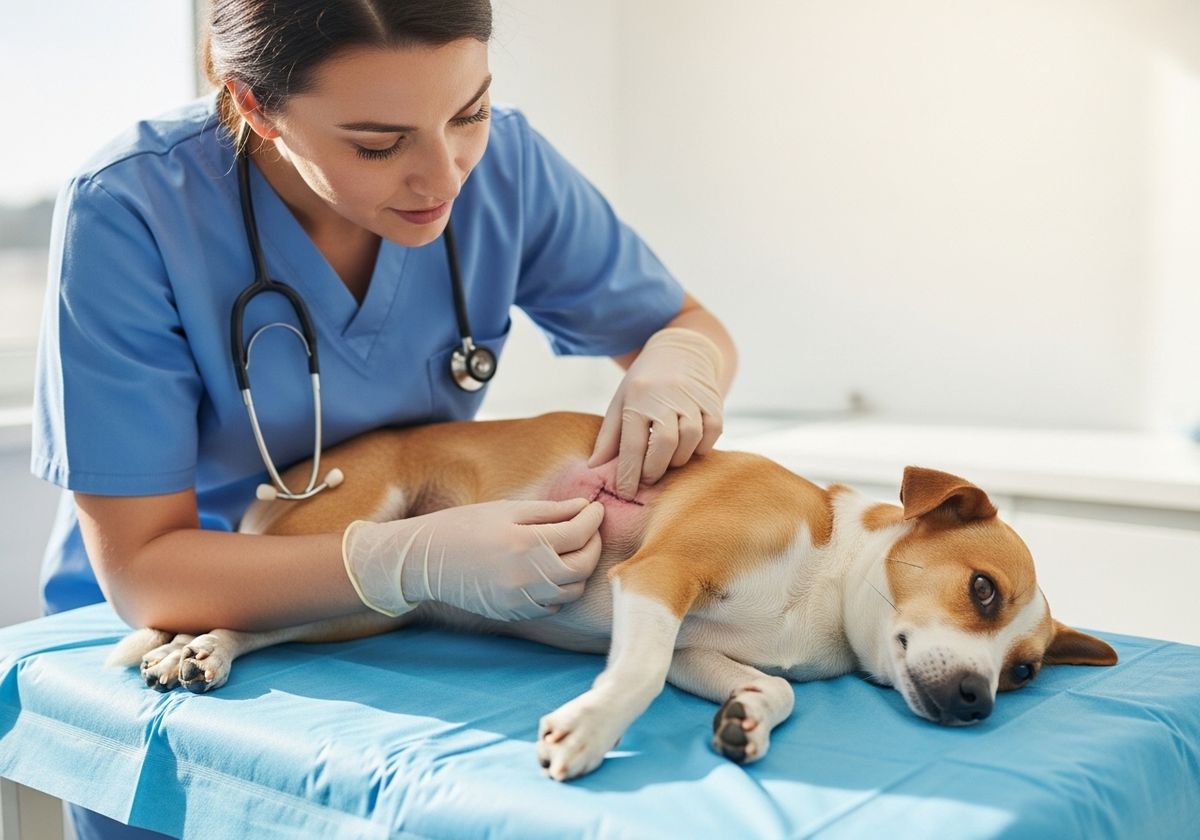
In the first 24-48 hours after surgery, it's normal to see some slight redness around the incision. There may also be a small amount of blood-tinged discharge. The edges of the incision should be neatly apposed (touching or close together), and there shouldn't be any signs of excessive swelling or bruising. Your pet may show mild discomfort, but it should be manageable with prescribed pain medication. Over the next few days, the redness should gradually fade, and any discharge should cease. The incision line will begin to heal, and the sutures or staples will remain intact until removal by your veterinarian.
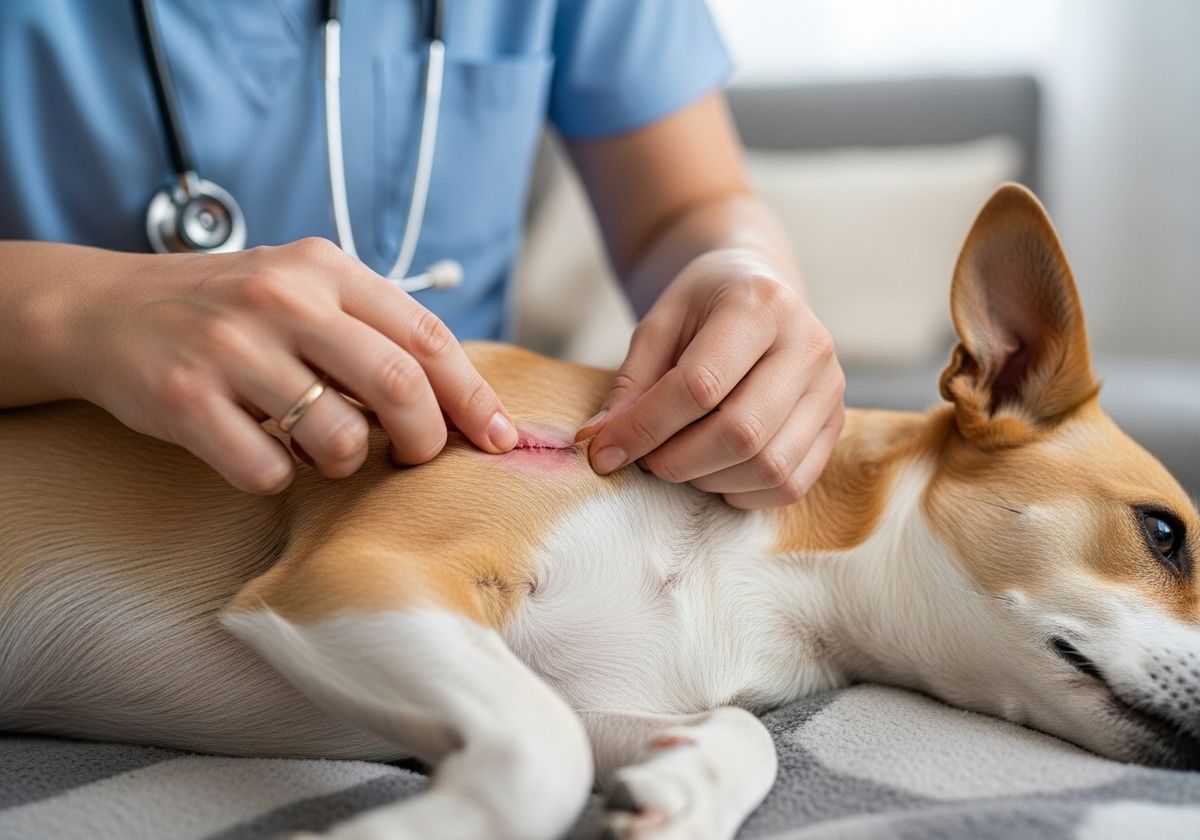
Red Flags: When to Contact Your Veterinarian
While some changes are normal, other signs indicate potential problems that require veterinary attention:
Excessive Redness or Swelling: If the redness around the incision worsens or spreads, or if the area becomes significantly swollen, it could indicate an infection or inflammation.
Purulent Discharge: Any thick, colored discharge (yellow, green, or white) is a sign of infection and needs immediate veterinary care.
Bleeding: While a small amount of blood is normal initially, excessive bleeding or blood clots warrant a call to your vet.
Gaping or Opening of the Incision: If the incision edges separate or the sutures/staples break, it increases the risk of infection and delayed healing.
Foul Odor: A bad smell emanating from the incision is a clear sign of infection.
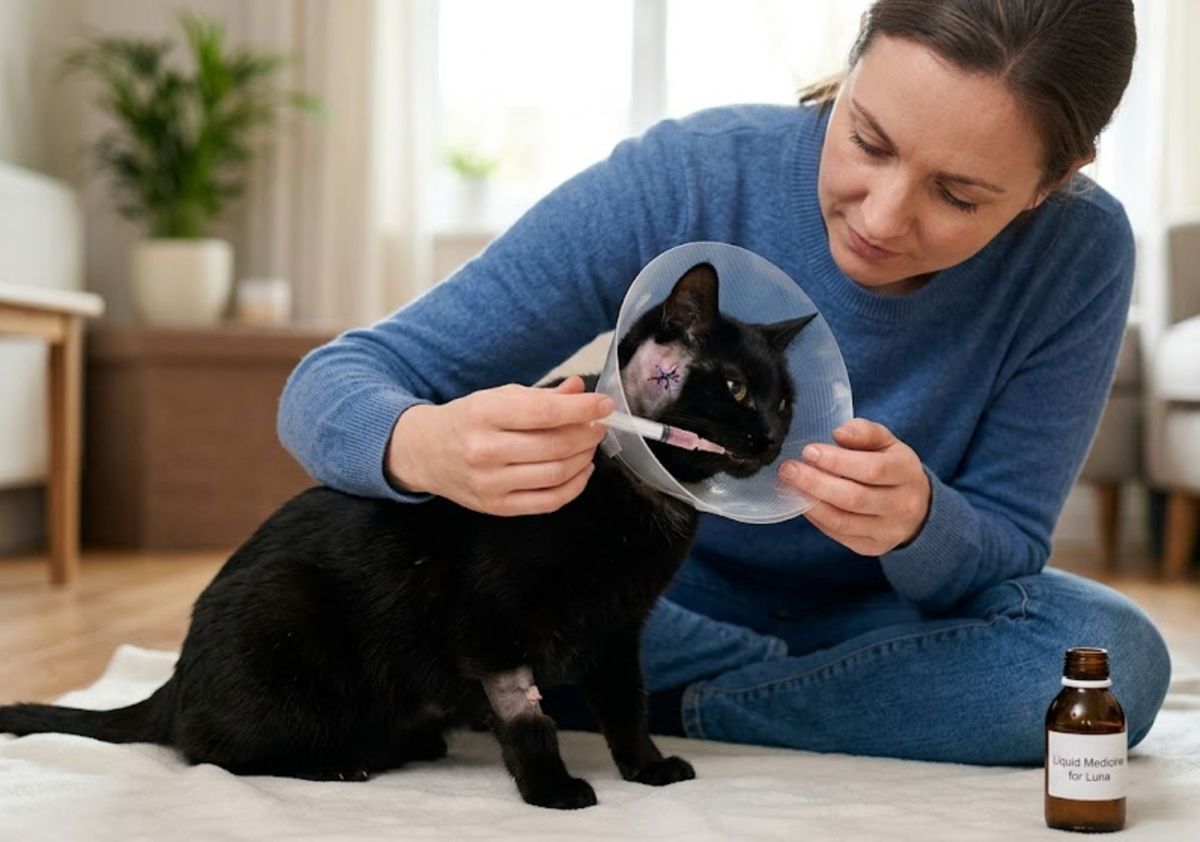
Excessive Licking or Chewing: If your pet is constantly licking or chewing at the incision, it can disrupt the healing process and introduce bacteria. An Elizabethan collar (cone) may be necessary to prevent this.
Lethargy, Fever, or Loss of Appetite: These systemic signs can indicate a more serious infection or complication and require prompt veterinary attention.
Tips for Monitoring and Caring for the Incision
Keep the Incision Clean and Dry: Follow your veterinarian's instructions for cleaning the incision. Avoid getting the area wet unless specifically advised.
Prevent Licking and Chewing: Use an Elizabethan collar or other barrier to prevent your pet from irritating the incision.
Administer Medications as Prescribed: Give all medications (pain relievers, antibiotics) as directed by your veterinarian.
Monitor Daily: Check the incision at least twice a day for any signs of abnormalities.
Restrict Activity: Limit your pet's activity to prevent strain on the incision site.
The Importance of Preventive Veterinary Care
Regular check-ups and preventive veterinary care play a crucial role in maintaining your pet's overall health and well-being. These visits allow your small animal veterinarian to detect potential health issues early on, often before they become serious enough to require surgery. Moreover, procedures like pet dental care, which prevent dental disease, can sometimes reduce the need for more invasive interventions later in life. Consider enrolling in veterinary wellness plans offered by your Hardeeville vet clinic to ensure your pet receives consistent and comprehensive care.
Monitoring your pet's incision is a vital part of post-operative care. By knowing what's normal and what's not, you can quickly identify potential problems and seek veterinary attention when needed. Remember, early detection and intervention are key to ensuring a smooth and successful recovery for your furry friend.
At Veterinary Medical Center of Hardeeville, we offer comprehensive and compassionate veterinary care to support your pet's health journey. If you have any concerns about your pet's incision or overall health, please don't hesitate to contact us. We're here to provide skilled and modern healthcare solutions for your beloved companions. You can also explore our website to learn more about our services and veterinary wellness plans.