
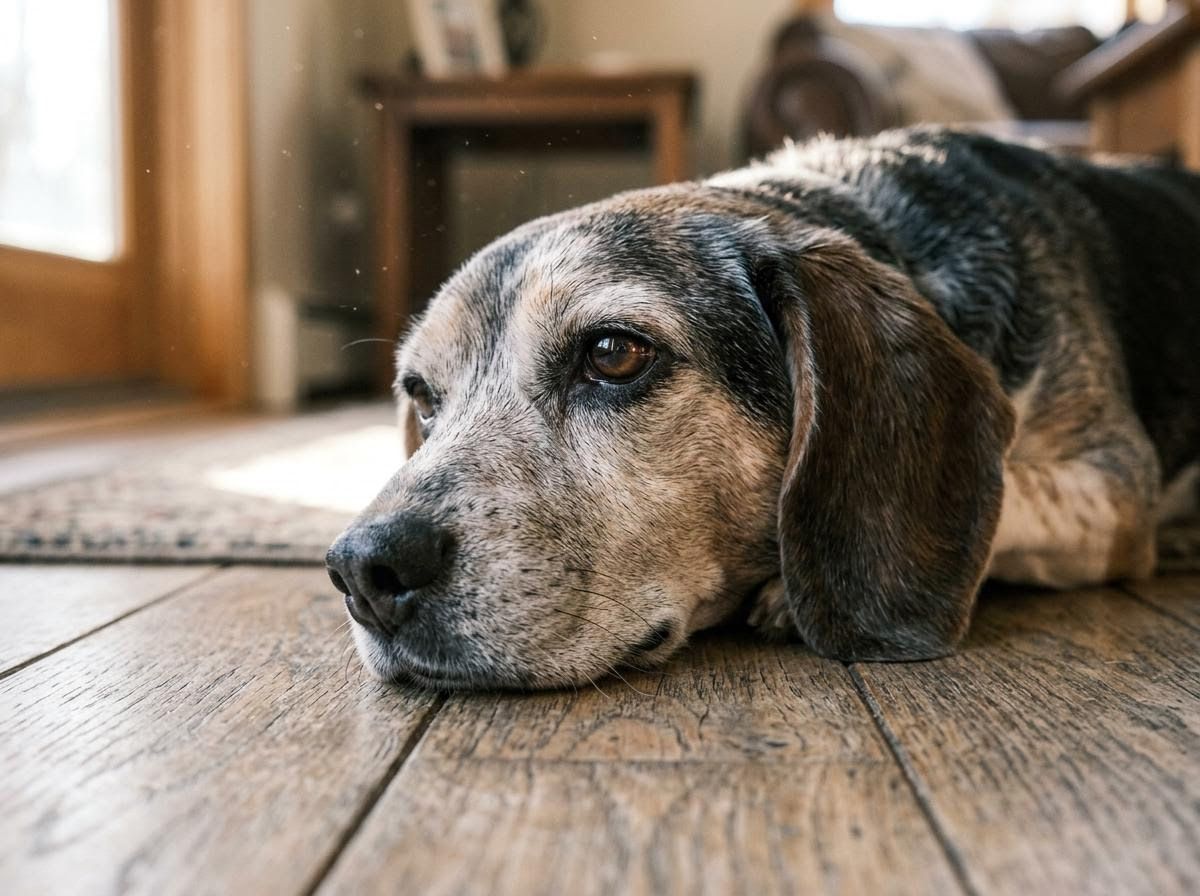
As our beloved dogs and cats gracefully age, we often observe changes in their physical abilities, but sometimes, subtle shifts in their mental capabilities can also occur. Just like humans, pets can experience cognitive decline, a condition that can impact their daily lives and interactions. Recognizing these changes early is key to providing the best support, and our team at Veterinary Medical Center of Hardeeville is here to help you understand what to look for and how to best care for your senior companion.

Understanding Cognitive Dysfunction Syndrome (CDS)
Cognitive Dysfunction Syndrome (CDS), often referred to as "doggy dementia" or "feline dementia," is a progressive neurodegenerative disorder affecting older pets. It's characterized by changes in brain function that can lead to alterations in memory, learning, awareness, and response to stimuli. These changes are a natural part of the aging process for some animals, much like Alzheimer's disease in humans. While not every aging pet will develop CDS, it's more common than many owners realize and can significantly affect a pet's quality of life if not addressed.
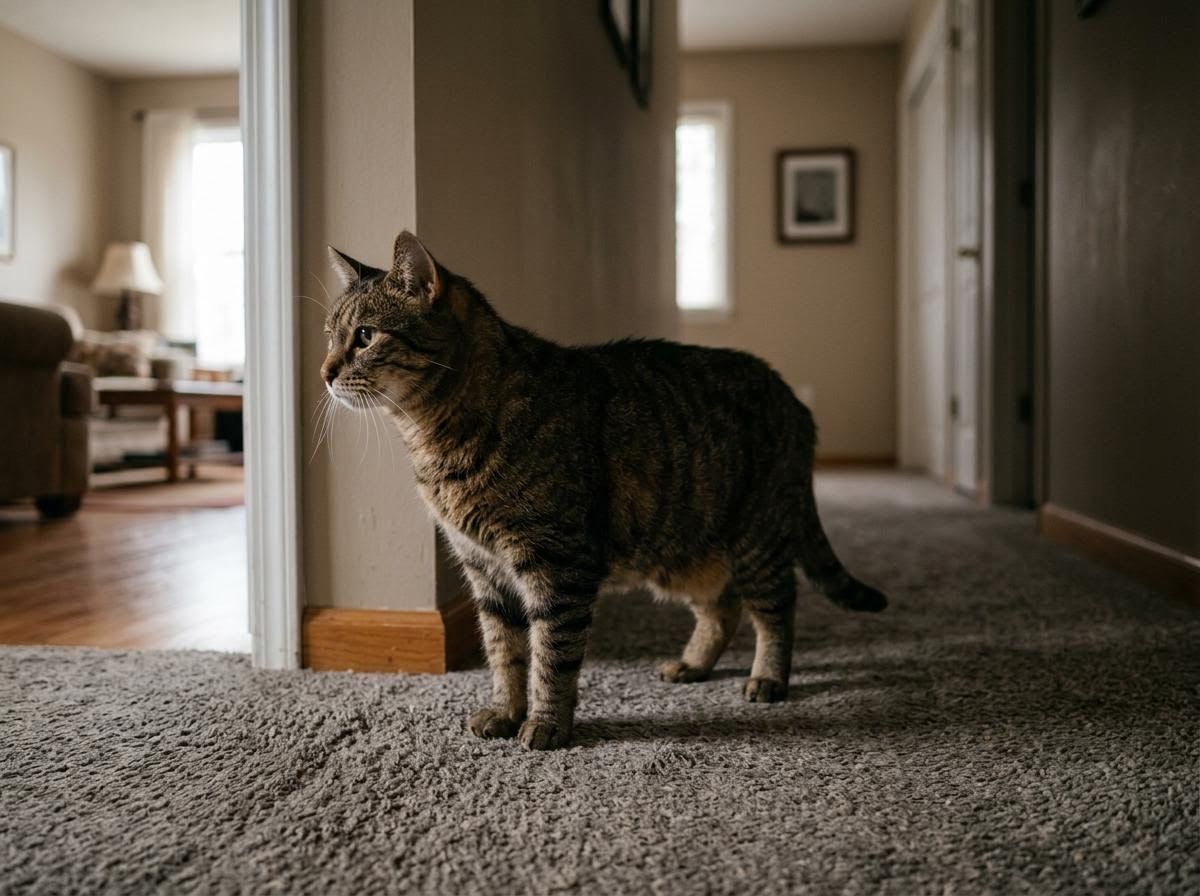
Key Signs of Cognitive Decline to Observe
Recognizing cognitive decline often involves noticing changes in your pet's behavior. Pet owners are often the first to notice these subtle shifts. Common signs can include disorientation, such as getting lost in familiar surroundings or staring blankly at walls. You might also observe changes in social interactions, like a decreased desire to play or greet family members, or even increased irritability. Other indicators include alterations in sleep-wake cycles (being awake more at night), house-soiling accidents in previously well-trained pets, and changes in activity levels, such as decreased exploration or an inability to perform learned tasks. Any significant or persistent change in your pet’s normal routine or personality should prompt a closer look.
Seeking Professional Guidance from Your small animal vet
If you notice any of these signs, it's crucial to schedule a visit with a qualified small animal vet. Early diagnosis is vital because many medical conditions can mimic the symptoms of cognitive decline, such as arthritis, vision or hearing loss, or thyroid disorders. A thorough examination, including blood tests and possibly other diagnostics, conducted by a modern vet clinic can rule out other treatable illnesses. At a Okatie area vet clinic like ours, we can provide a comprehensive assessment to determine if your pet is experiencing CDS and discuss appropriate management strategies tailored to their individual needs.
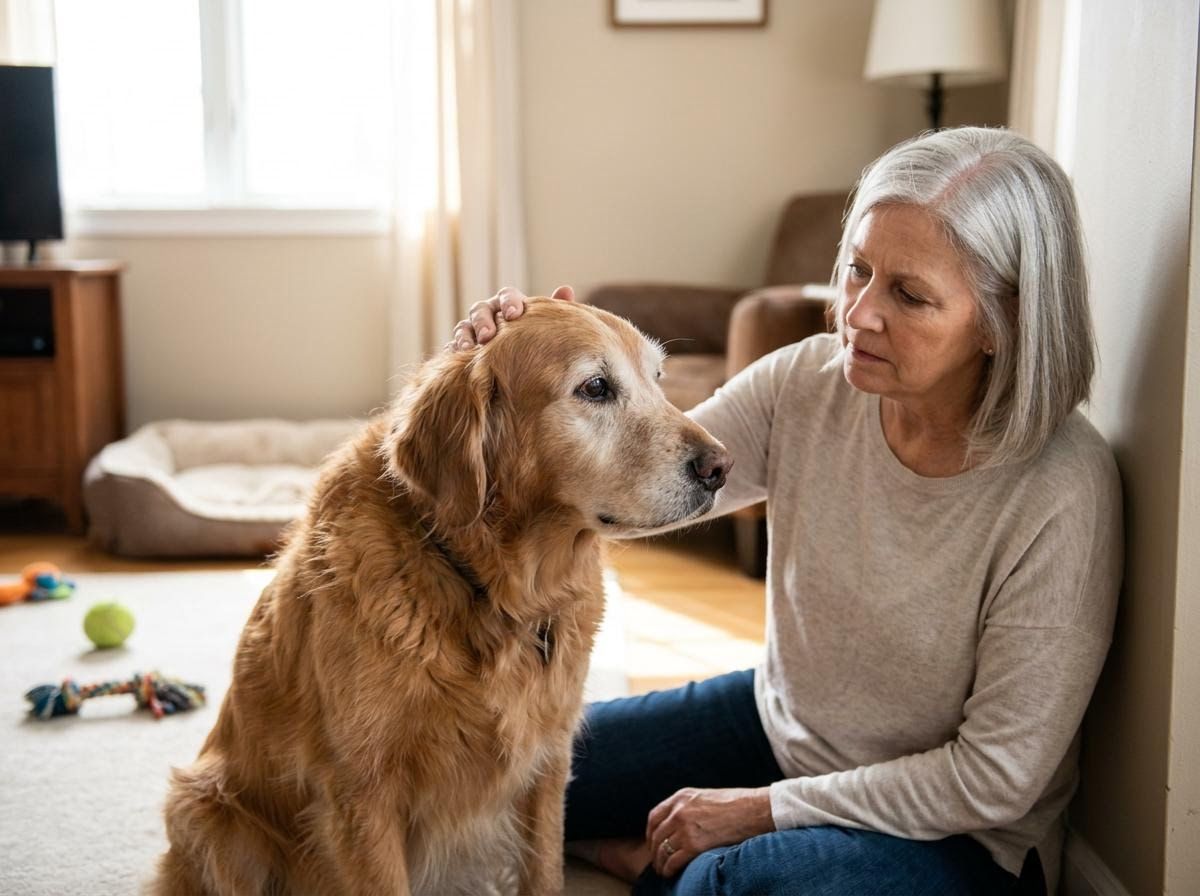
Supporting Your Senior Pet with Cognitive Dysfunction
While there isn't a cure for CDS, there are many ways to manage symptoms and improve your pet's quality of life. Environmental enrichment, such as consistent routines, keeping furniture in familiar places, and providing stimulating toys, can be very beneficial. Nutritional supplements, special diets rich in antioxidants, and certain medications prescribed by your veterinarian can also help slow the progression of the disease and alleviate symptoms. Continuing gentle exercise and mental stimulation appropriate for their age and condition will help maintain their cognitive function and overall well-being.
As pets age, their needs evolve, and understanding cognitive decline is a crucial part of providing compassionate senior pet care. By being observant and proactive, you can ensure your furry family member enjoys their golden years with comfort and dignity. We emphasize the importance of preventive veterinary care to address all aspects of your pet's health. To learn more about supporting your aging companion or to discuss a personalized pet wellness plan, we encourage you to explore the resources available through Veterinary Medical Center of Hardeeville.