
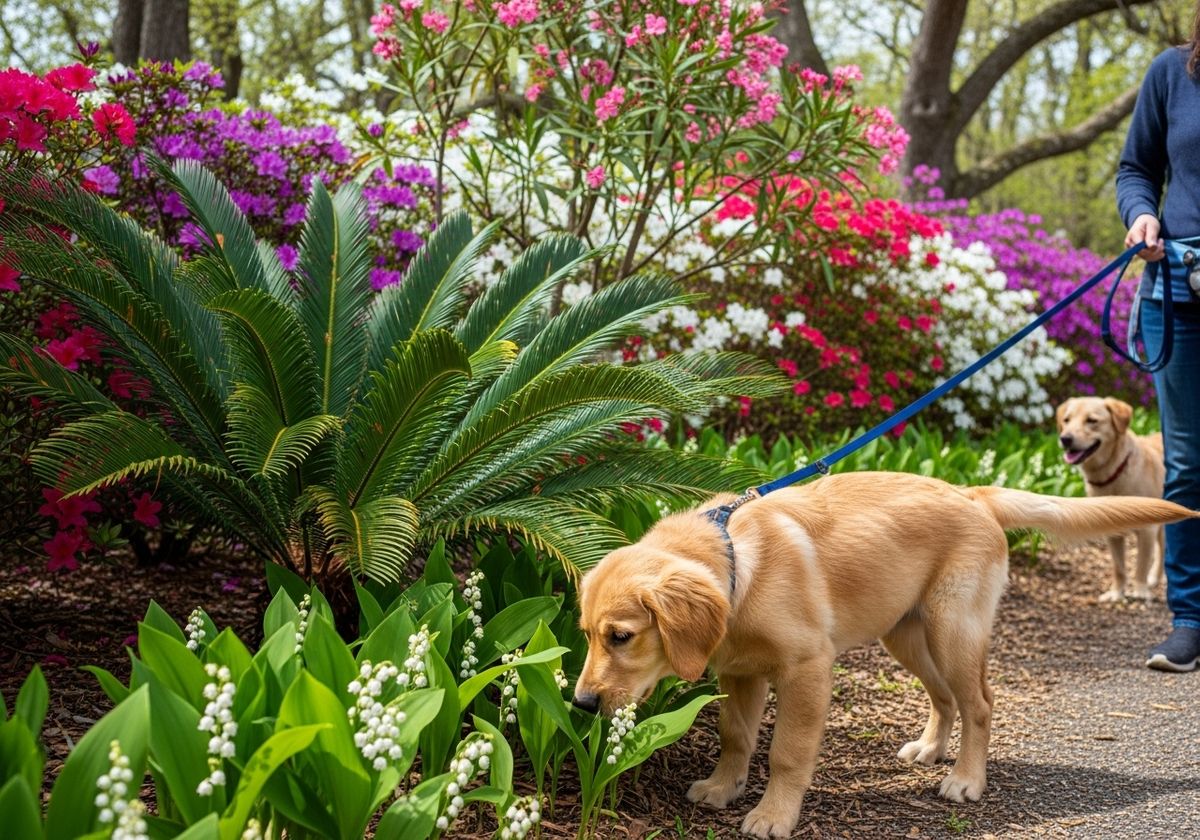
South Carolina's lush landscapes are home to a diverse array of plant life, but some of these beautiful flora can be toxic to our beloved pets. As a responsible pet owner, it's essential to be aware of these potential dangers, especially if you enjoy spending time outdoors with your furry companions. This guide will help you identify some common toxic plants in South Carolina and how to keep your pets safe.
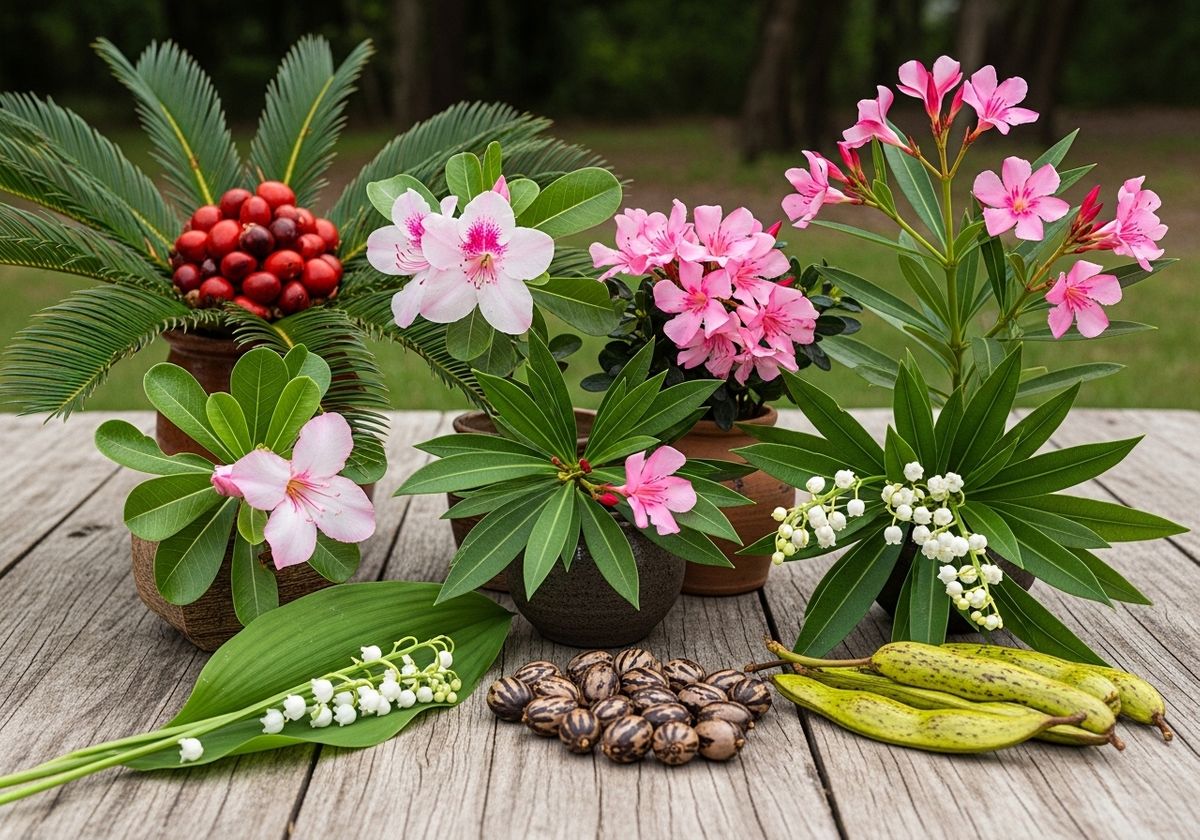
Common Toxic Plants in South Carolina
Sago Palm: These popular ornamental plants are extremely toxic to pets. All parts of the plant, especially the seeds, contain cycasin, which can cause severe liver damage, vomiting, diarrhea, and even death.
Azalea/Rhododendron: These flowering shrubs contain grayanotoxins, which can affect the heart and nervous system. Symptoms of poisoning include drooling, vomiting, diarrhea, weakness, and in severe cases, coma.
Oleander: This flowering shrub is highly toxic, containing cardiac glycosides that can disrupt heart function. Even a small amount of ingested oleander can cause serious problems, including vomiting, slow heart rate, and death.
Lily of the Valley: This fragrant plant contains cardiac glycosides similar to those found in oleander. Ingestion can lead to vomiting, diarrhea, irregular heartbeat, and seizures.
Castor Bean: The beans of this plant contain ricin, a potent toxin. Symptoms of poisoning include abdominal pain, vomiting, diarrhea, dehydration, and kidney failure.
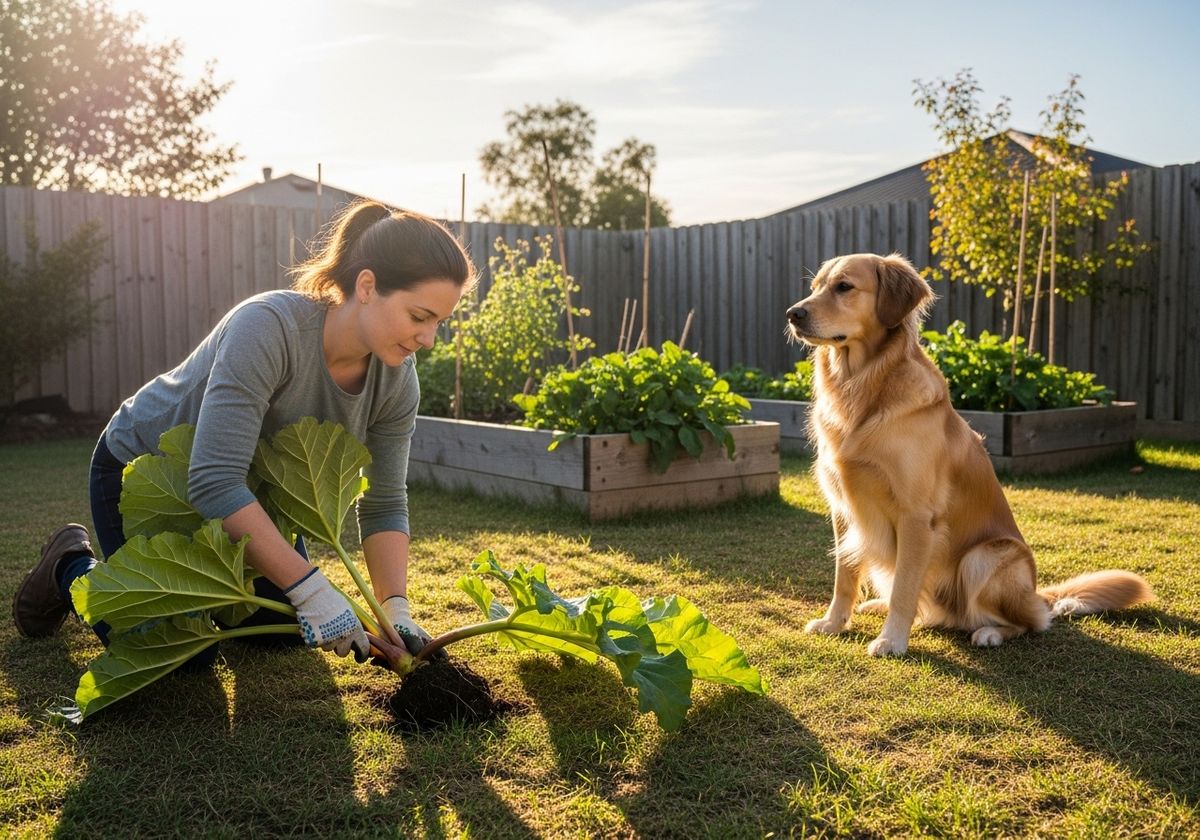
Protecting Your Pets
Identification: Familiarize yourself with the appearance of these toxic plants so you can identify and avoid them during walks or in your yard.
Removal: If you have any of these plants in your yard, consider removing them to eliminate the risk of accidental ingestion.
Supervision: Always supervise your pets when they are outdoors, especially in areas where toxic plants may be present.
Education: Teach your children about the dangers of toxic plants and instruct them not to allow pets to eat any vegetation.

What to Do If You Suspect Poisoning
If you suspect that your pet has ingested a toxic plant, it's crucial to act quickly. Contact your small animal veterinarian or an animal poison control center immediately. Do not attempt to induce vomiting unless directed by a professional, as this can sometimes worsen the situation. Be prepared to provide information about the plant ingested, the amount consumed, and any symptoms your pet is exhibiting.
Being aware of the common toxic plants in South Carolina and taking proactive steps to protect your pets can help ensure their safety and well-being. Remember, preventive veterinary care is key to maintaining your pet's health, and regular check-ups can help detect and address any potential health issues early on. At Veterinary Medical Center of Hardeeville, we are committed to providing comprehensive & compassionate veterinary care. Contact us today to learn more about our veterinary wellness plans and how we can help keep your furry friend healthy and happy. If you are looking for a trusted Hardeeville vet clinic for pet dental care or any other veterinary needs, give us a call!