
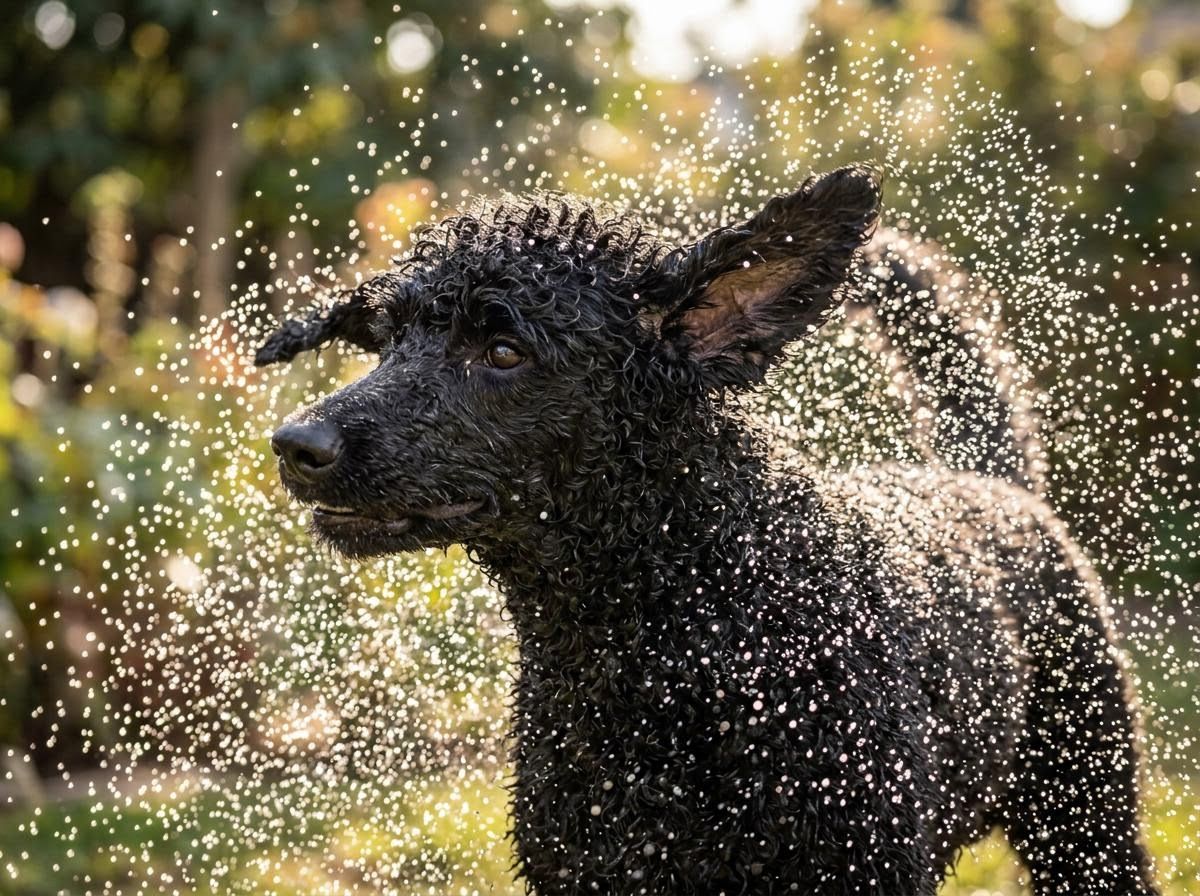
Southern summers bring warmth and sunshine, but for many pets, they also usher in uncomfortable skin conditions like hot spots and wet dermatitis. These painful and rapidly spreading irritations can quickly turn your pet's joyous outdoor activities into a misery of itching and discomfort. At Veterinary Medical Center of Hardeeville, we recognize the unique challenges our local climate presents for pet skin health. Understanding these common summer ailments is the first step in protecting your furry family member from their effects.

Understanding Hot Spots and Wet Dermatitis
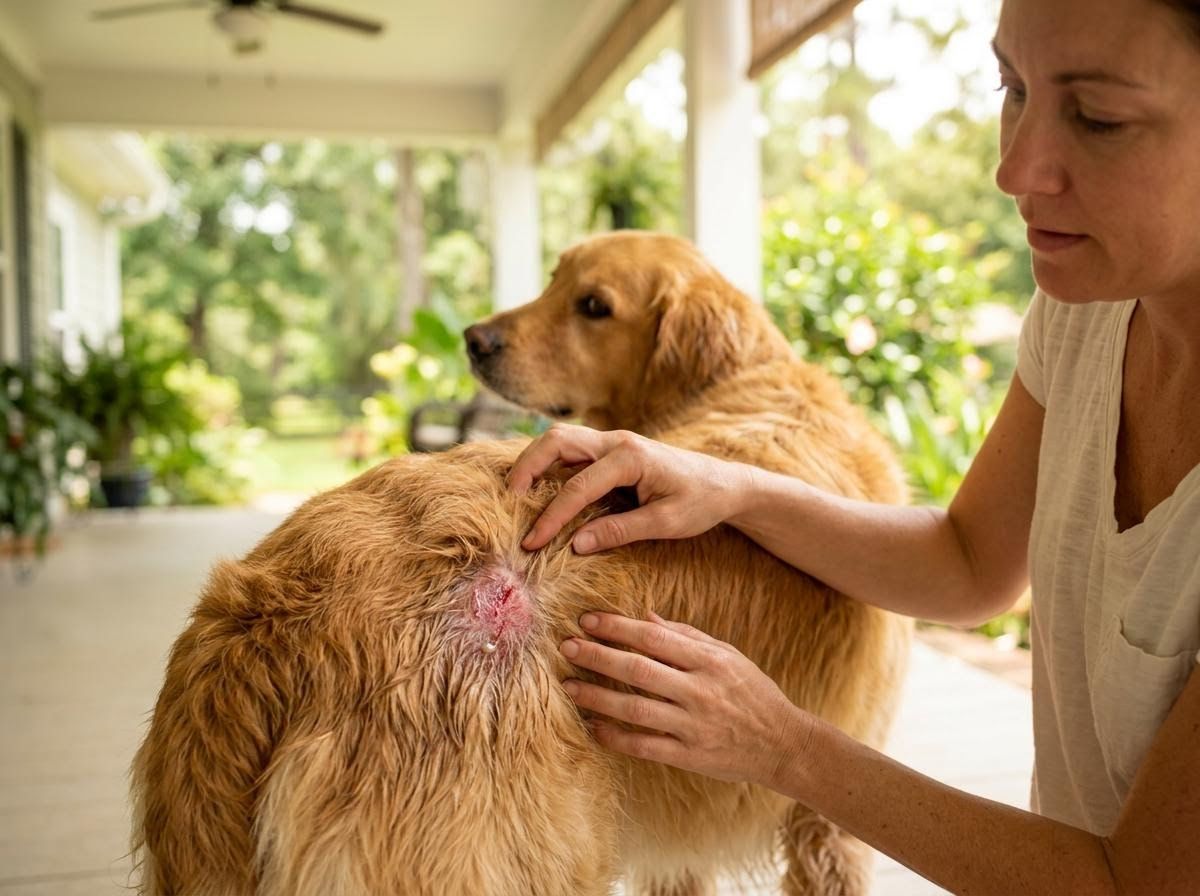
Hot spots, medically known as acute moist dermatitis, are localized areas of skin inflammation and infection. They typically appear as red, moist, irritated lesions that can develop very quickly, often within hours. The underlying cause is usually self-trauma; pets scratch, lick, or chew excessively at an itchy spot, breaking the skin barrier and allowing bacteria to flourish in the warm, moist environment. Common triggers include flea bites, allergies (environmental or food-related), ear infections, matted fur that traps moisture, or even boredom and anxiety leading to compulsive licking.
Recognizing the Signs of Trouble
Detecting hot spots early can prevent them from becoming more severe and painful. Pet owners should be vigilant for certain signs, especially during the humid summer months. Look for sudden, intense licking, chewing, or scratching at a particular area of the body. Upon closer inspection, you might notice a circular patch of reddened, inflamed skin, often with matted, moist fur covering it. The area may feel warm to the touch, and there could be oozing discharge or a crust forming. As the condition progresses, hair loss will become evident around the lesion, and your pet may vocalize pain or become irritable if the area is touched.
Professional Treatment and Prevention Strategies
If you suspect your pet has a hot spot, prompt veterinary attention from a small animal vet is crucial. At a modern vet clinic, treatment usually begins with carefully clipping the hair around the affected area to allow the skin to dry and for thorough cleaning. This step is vital, as trapped fur can worsen the infection. Your veterinarian may then cleanse the area with an antiseptic solution and prescribe topical medications like antibiotic sprays or creams, and sometimes oral antibiotics or anti-inflammatory drugs to control pain and itching. An Elizabethan collar (e-collar) might be recommended to prevent your pet from further irritating the wound.
Preventive veterinary care is key to avoiding these recurring skin issues. Regular grooming, especially for long-haired breeds, can prevent matting that traps moisture. Consistent flea and tick control is essential, as even one bite can trigger an allergic reaction and subsequent hot spot. For pets with known allergies, working with your veterinarian to manage these sensitivities can significantly reduce flare-ups.

Supporting Your Pet's Skin Health
Managing hot spots and wet dermatitis requires vigilance and timely intervention to keep your pet comfortable and healthy. By understanding the signs and seeking professional guidance, you can ensure your companion enjoys a healthier, happier summer free from skin irritations. For comprehensive preventive veterinary care and to explore personalized pet wellness plan options tailored to your pet's needs, reach out to Veterinary Medical Center of Hardeeville. Our caring team at your Okatie area vet clinic is dedicated to supporting your pet's overall well-being. Discover more about our approach to dermatology and preventive health on our website.