
Pet diabetes, much like human diabetes, is a serious condition that affects how your pet's body processes sugar. Recognizing the early signs is crucial for effective management and maintaining your beloved companion's quality of life. At Veterinary Medical Center of Hardeeville, we believe that informed pet parents are the best advocates for their furry family members. This blog post will help you understand what to look for, so you can act quickly if you suspect your pet might be at risk.
What is Pet Diabetes?
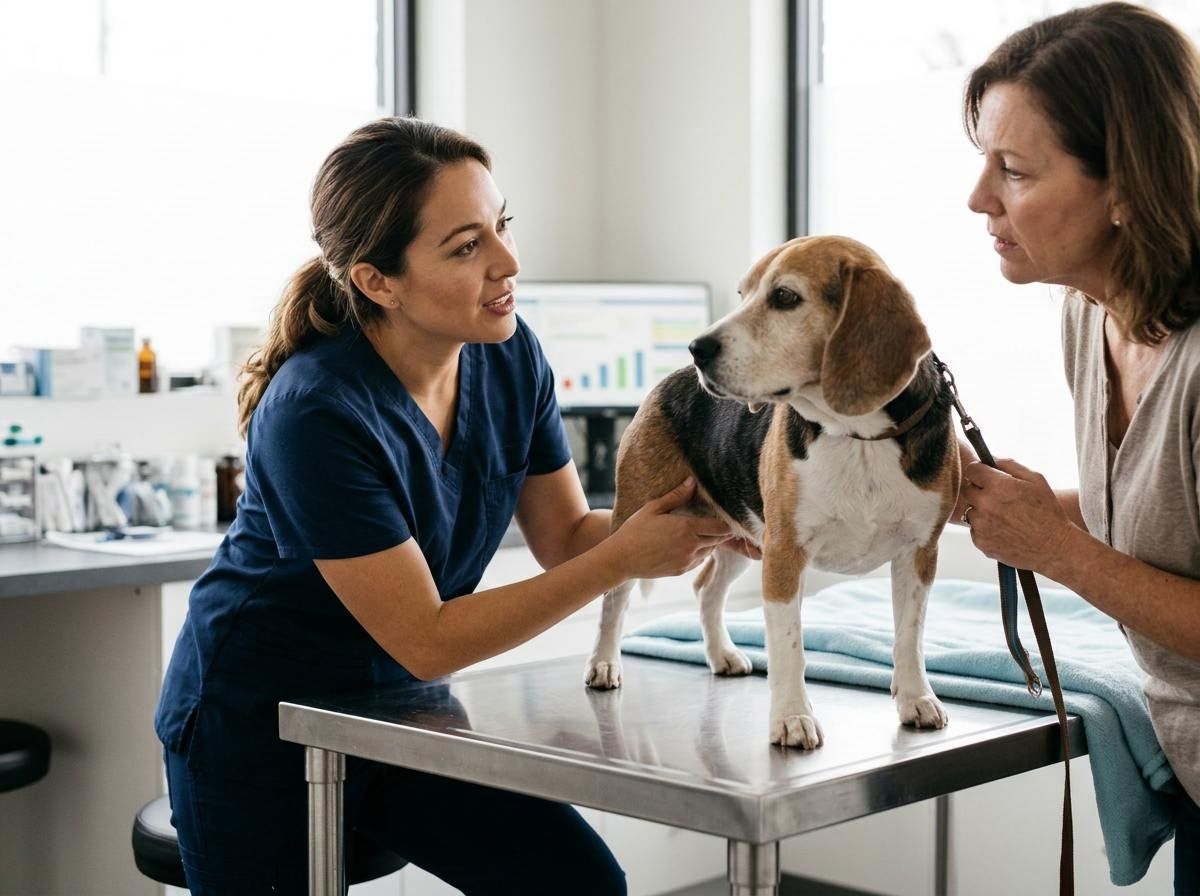
Diabetes mellitus occurs when a pet's body doesn't produce enough insulin or can't properly use the insulin it does produce. Insulin is a hormone essential for converting glucose (sugar from food) into energy. Without proper insulin function, glucose builds up in the bloodstream, leading to a range of health issues. This condition can affect both dogs and cats, and while some breeds are predisposed, lifestyle factors like diet and exercise also play a significant role. Regular check-ups with a small animal vet are key to monitoring overall health and identifying potential risk factors early.

Key Early Symptoms to Watch For
Vigilance is your best tool in detecting pet diabetes. Keep an eye out for these common early warning signs:
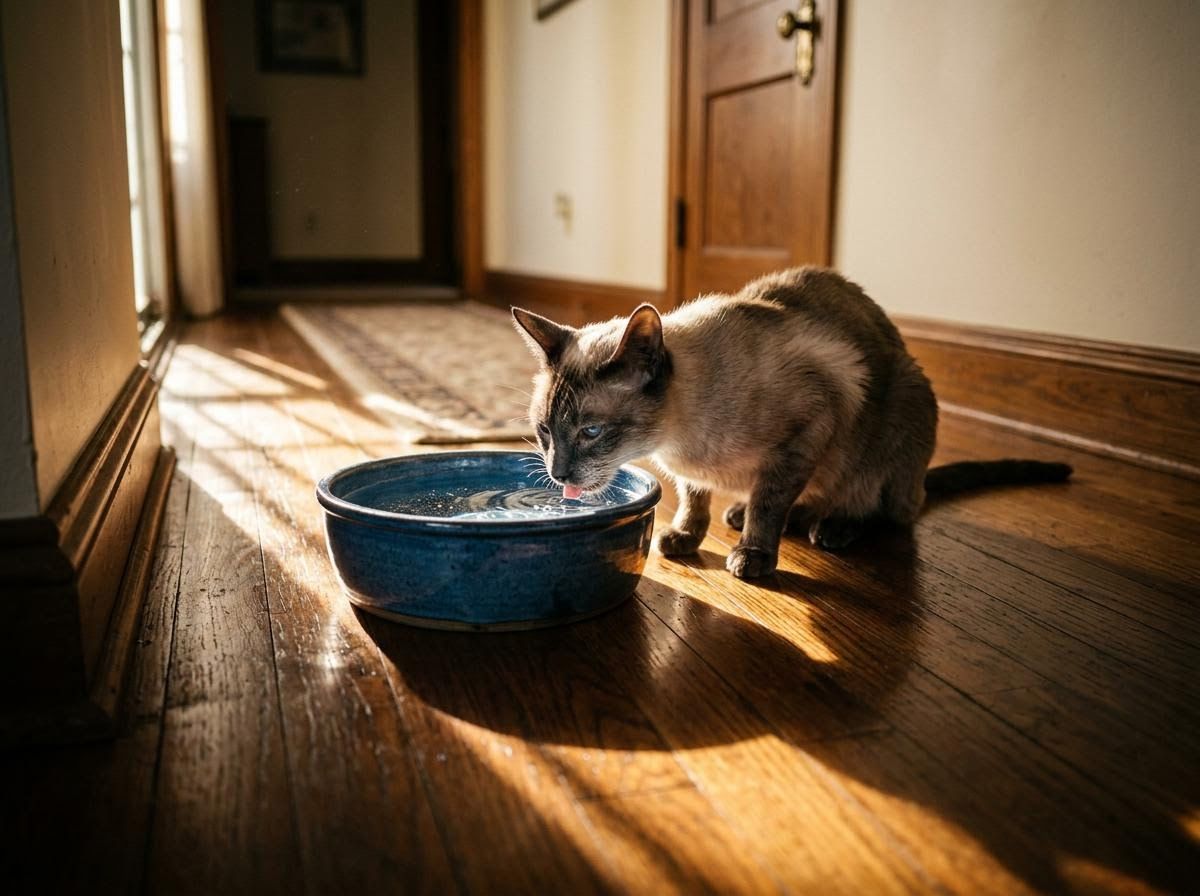
Increased Thirst and Urination: This is often one of the first and most noticeable symptoms. Your pet might be drinking more water than usual and consequently needing more potty breaks, or even having accidents indoors.
Sudden Weight Loss Despite Increased Appetite: If your pet is eating more but still losing weight, it could be a sign their body isn't processing nutrients effectively due to lack of insulin.
Lethargy and Weakness: A diabetic pet might seem unusually tired, less enthusiastic about play, or generally weak.
Changes in Coat Condition: You might notice a dull, dry, or unhealthy-looking coat, which can indicate an underlying health issue.
If you observe any of these symptoms, it's important not to delay seeking veterinary attention.
Why Early Detection and Management Matter
Early diagnosis of pet diabetes is vital because it allows for prompt intervention, which can prevent more severe complications like cataracts, nerve damage, or kidney issues. Managing diabetes typically involves dietary changes, regular exercise, and often daily insulin injections. With consistent care and monitoring from a modern vet clinic, many diabetic pets can lead happy, healthy lives. This proactive approach is a cornerstone of preventive veterinary care, aiming to keep your pet well and catch problems before they escalate. Discussing a pet wellness plan with your veterinarian can also help structure routine health checks and manage chronic conditions effectively.
Early detection of pet diabetes allows for timely intervention and significantly improves your pet's prognosis and quality of life. At Veterinary Medical Center of Hardeeville, we are committed to providing the highest standard of compassionate care for your companions. Don't hesitate to reach out if you notice any changes in your pet's health or behavior, or if you simply want to learn more about maintaining their long-term wellness. Visit our website for more information on how we can partner with you in your pet's health journey.